Most educators today are navigating a significant transformation in the teaching landscape, shifting from traditional chalkboards to innovative data-driven digital classrooms. As you embrace this change, understanding how to effectively utilize data can enhance your teaching strategies and improve student outcomes. This post will guide you through the vital elements of designing a digital classroom that prioritizes data, ensuring you create an engaging and productive environment for your students.
Key Takeaways:
Emphasizes the importance of integrating data into classroom design to enhance the learning experience.
Highlights the shift from traditional teaching methods to data-driven approaches for personalized education.
Encourages collaboration between educators and data specialists to create effective digital tools and resources.
The Evolution of Classroom Technology
Your understanding of classroom technology is incomplete without recognizing its rapid evolution. From the simplicity of chalk and blackboards to the sophisticated platforms utilized today, the progression reflects broader advancements in science and engineering. Early tools aimed primarily at enhancing teacher-led instruction, but today’s digital tools promote interactivity and adaptability, shaping a more engaging learning experience.
Historical Overview of Classroom Tools
You can trace classroom tools back to ancient civilizations where oral tradition ruled. The invention of the printing press in the 15th century marked a turning point, enabling widespread access to books. Over time, tools such as overhead projectors and film strips emerged, laying the groundwork for more interactive and visual forms of teaching that eventually transitioned into digital formats.
The Shift to Digital Learning Environments
Shifting to digital learning environments has fundamentally altered your educational landscape. The rise of the internet in the late 20th century was pivotal, allowing for the integration of multimedia resources into lessons. Today, platforms like Learning Management Systems (LMS) foster personalized learning experiences, enabling you to tailor education to suit varied needs. With over 90% of K-12 schools equipped with internet access, data-driven tools are now imperative in facilitating real-time assessments and feedback, promoting a blended learning environment that enhances student engagement and achievement.
Understanding Data-First Design
To create effective digital classrooms, you need to grasp the framework of data-first design. This approach prioritizes data collection and analysis to inform classroom layouts, teaching methods, and technological integration. By embedding real-time analytics into your design process, you can tailor educational experiences to meet the specific needs of your students, enabling a more adaptive and engaging learning environment.
Principles of Data-Driven Design
Data-driven design revolves around collecting and interpreting information to guide decision-making. Key principles include clarity in objectives, continuous assessment of user interaction, and iterative improvements based on analytical insights. By emphasizing actionable data, you can refine educational tools that promote better learning outcomes and ensure that resources are utilized effectively.
Importance of User-Centric Approaches
Emphasizing user-centric approaches in data-first design ensures that the needs and experiences of students guide your decisions. By engaging with users through surveys and usability testing, you gain valuable insights that shape the functionalities and features of your digital classrooms, ultimately leading to enhanced satisfaction and academic success.
This user-centric focus allows you to create an environment where students feel empowered and engaged. For instance, research conducted by the Stanford Graduate School of Education indicates that students perform 15% better when educational tools are tailored to their preferences and learning styles. Incorporating feedback mechanisms helps you refine content delivery and increases usability, ensuring that every learner’s voice contributes to the digital classroom’s evolution. Investing in this approach transforms data into actionable insights that directly enhance the educational experience, positioning your classroom at the forefront of effective learning.
Integrating Dashboards into Learning
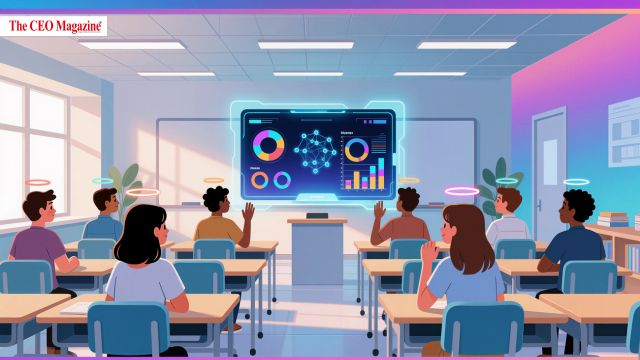
Effective integration of dashboards into educational environments allows you to track performance and engagement in real time. By embedding these tools within your digital classroom, you enhance the educational experience while equipping students with analytical skills. Dashboards can provide insights into attendance, assignment completion, and overall academic progress, fostering an atmosphere of data-driven improvement.
Types of Educational Dashboards
Educational dashboards come in various forms, each designed to serve specific purposes. They can include:
Student Performance Dashboards
Course Progress Dashboards
Behavior and Engagement Dashboards
Attendance Tracking Dashboards
Institutional Analytics Dashboards
After analyzing these types, you’ll find the best fit for your educational goals.
Dashboard Type
Purpose
Student Performance
Tracks individual academic performance
Course Progress
Monitors completion rates of course materials
Behavior and Engagement
Assesses student participation and interactions
Attendance Tracking
Keeps real-time attendance records
Institutional Analytics
Provides insights at a school-wide level
Benefits of Real-Time Data Access
Accessing real-time data in educational settings empowers you to make informed decisions quickly. With up-to-date information, you can identify trends and intervene when necessary, fostering a responsive learning environment. The immediacy of data allows you to personalize instruction and address learning gaps as they arise.
With real-time data access, you enhance agility in educational strategies. For instance, if a student struggles with a particular concept, you can tailor assignments or provide resources immediately. This data-driven approach translates into improved teaching effectiveness and learning outcomes. Schools implementing dashboards report up to a 30% increase in student engagement, showcasing the impact of timely information on educational success.
Enhancing Student Engagement through Data
Data-driven strategies can significantly boost student engagement, allowing educators to foster a more dynamic learning environment. By utilizing real-time analytics, you can observe student behaviors and interactions, tailoring your approach to meet their evolving interests. This engagement creates a feedback loop where students become more involved in their learning process, ultimately leading to improved academic outcomes.
Personalization of Learning Experiences
Customizing learning experiences based on individual data analytics allows you to cater to students’ unique preferences and strengths. When you understand each student’s progress and challenges, you can deliver resources that resonate with their learning styles, transforming education into a more personal journey that keeps them invested and engaged.
Addressing Diverse Learning Needs
Utilizing data to identify and address diverse learning needs can transform educational outcomes for all students. By analyzing activity and achievement data, you can develop tailored interventions and strategies that support varied learning abilities, ensuring that every student has the opportunity to thrive in your classroom.
For instance, a study from the Bill & Melinda Gates Foundation found that personalized learning pathways led to a 24% increase in student engagement rates. By harnessing data analytics, you can identify students who may need additional support in certain subjects and provide targeted resources that cater to those specific areas of need. Whether it’s implementing adaptive learning technologies or designing targeted group activities, your proactive approach to addressing diverse needs can create an inclusive classroom environment, fostering collaboration and promoting success for every learner.
Challenges in Data-First Integration
As you initiate on the journey towards data-first integration in your classroom, you’ll likely encounter several challenges that can impede progress. These hurdles can stem from technological limitations, a lack of training for educators, and concerns regarding privacy and security of student data. Addressing these issues proactively will be crucial in creating a seamless and effective data-driven learning environment.
Technological Barriers
Technological barriers can significantly hinder your efforts to implement a data-first approach. Many schools struggle with outdated infrastructure or inadequate hardware, which may not support advanced digital tools. Additionally, inconsistent internet connectivity and software compatibility issues can disrupt the seamless flow of data. Investments in modern technology and ensuring adequate support for your tech systems are vital steps to overcoming these barriers.
Data Privacy and Security Concerns
Data privacy and security concerns are paramount in a data-first educational landscape. As you integrate technology and gather sensitive student information, maintaining compliance with regulations such as FERPA and COPPA becomes critical. Any breach could not only compromise student data but also lead to a loss of trust from parents and stakeholders.
To mitigate risks associated with data privacy, you must establish robust protocols for data management and security. This includes training teachers and staff on best practices, implementing encryption for sensitive information, and regularly conducting audits of data usage. Moreover, fostering transparency with parents regarding data collection and usage can build trust and alleviate concerns. By prioritizing data privacy and security, you can safeguard both your students and the integrity of your educational initiatives.
Future Trends in Digital Classrooms
Emerging trends in digital classrooms promise to redefine educational experiences, predominantly by harnessing artificial intelligence and personalized learning. As data analytics becomes more sophisticated, personalized solutions will cater to individual learning styles, reshaping the landscape of education. Virtual reality and gamification will further engage students, while adaptive learning technologies will ensure that lessons evolve based on real-time data insights, creating a more responsive classroom environment.
Innovations on the Horizon
Technological advancements are set to introduce innovative tools for data-first classrooms, including AI-driven analytics and real-time feedback systems. These innovations will empower educators to customize learning experiences, drawing from data that highlights student progress and engagement levels. For instance, predictive analytics could identify at-risk students earlier, allowing for timely interventions that enhance academic success.
Preparing Educators for a Data-First Approach
Your role as an educator will increasingly involve leveraging data to inform teaching practices. Professional development programs must evolve to enhance teachers’ data literacy, equipping them with skills to interpret data effectively and apply insights in the classroom. Training sessions that blend technical skills with pedagogical strategies will empower you to maximize the benefits of data-driven approaches.
To effectively prepare you for a data-first approach, educational institutions must prioritize ongoing professional development initiatives. This includes workshops that focus on the practical application of data analytics tools and collaborative platforms where you can share best practices with peers. Real-world case studies showcasing successful data integration can also enhance your understanding, illustrating how analytics directly impacts student outcomes. Additionally, fostering a culture of continuous learning will allow you to adapt to technological advancements as they emerge, ensuring you remain at the forefront of educational innovation.
To wrap up
With these considerations, you can effectively transition your classroom from traditional methods to a data-first approach that prioritizes insights and engagement. By leveraging dashboards and digital tools, you enhance the learning experience, foster collaboration, and ultimately empower your students to thrive in a technology-driven environment. Emphasizing data-driven designs in your educational strategies will not only modernize your teaching but also support informed decision-making. As you continue this journey, focus on continual improvement and adaptability to ensure the long-term success of your digital classroom.
FAQ
Q: What are the main benefits of implementing a data-first digital classroom?
A: Implementing a data-first digital classroom enhances personalized learning, enables real-time assessment of student progress, and facilitates informed decision-making for educators. These benefits lead to improved educational outcomes and a more engaged learning environment.
Q: How can technology be effectively integrated into traditional teaching methods?
A: Technology can be integrated by using digital tools that complement existing teaching methods. This includes interactive dashboards for tracking student performance, online resources for collaborative projects, and multimedia presentations to enhance engagement, while still implementing traditional instructional strategies.
Q: What role do teachers play in the transition to a data-first classroom?
A: Teachers are vital in the transition as they interpret data to tailor instruction, foster a data-driven culture among students, and provide feedback. Professional development and support are critical to ensure teachers can effectively utilize technology and data in their teaching practices.