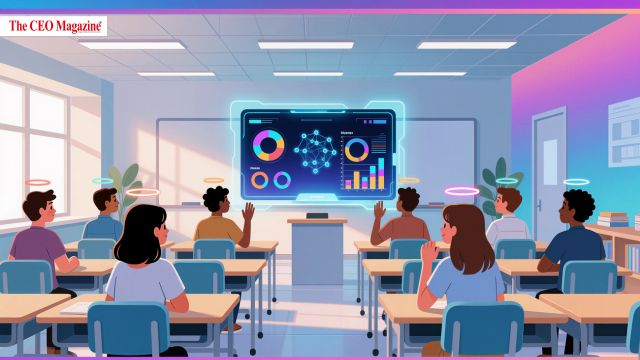
Many educators and administrators face challenges when implementing digital learning initiatives in their schools. This practical playbook provides you with necessary strategies and actionable steps to effectively integrate technology into your educational framework. By following these guidelines, you can enhance student engagement, improve learning outcomes, and create a more dynamic classroom environment that meets the needs of today’s learners.
Key Takeaways:
- Establish a clear vision and goals for digital learning to guide implementation efforts.
- Provide ongoing training and support for educators to effectively integrate technology into their teaching.
- Engage students, parents, and the community to foster a supportive environment for digital learning initiatives.
Understanding Digital Learning
Digital learning encompasses a range of educational methods that utilize technology to enhance teaching and learning experiences. It includes online courses, blended learning environments, and the use of digital tools to support pedagogy. By integrating digital resources, you can provide more personalized and flexible learning opportunities that cater to diverse student needs.
Definition and Framework
At its core, digital learning refers to the use of technology to facilitate, enhance, or provide educational experiences. This framework encompasses various modalities-synchronous and asynchronous learning, multimedia resources, and collaborative tools. By embracing these approaches, you can create dynamic learning environments that break traditional classroom boundaries.
Benefits for Students and Educators
Digital learning offers numerous advantages, including increased engagement, improved accessibility, and personalized learning experiences. For students, it fosters autonomy and encourages self-directed study. Educators benefit from enhanced teaching efficiencies and the ability to track student progress more effectively.
For instance, studies indicate that students in blended learning environments have shown a 10% improvement in achievement tests compared to those in traditional settings. Additionally, platforms like Google Classroom provide educators tools to seamlessly distribute assignments, offer real-time feedback, and analyze student performance data, enabling you to adjust your teaching strategies proactively. With tools like these, the potential to innovate and improve education is immense, ushering in more effective learning experiences tailored to individual students’ needs and learning paces.
Assessing Readiness for Digital Learning
Evaluating your school’s readiness for digital learning involves several critical factors that can shape a successful implementation. Begin by examining your existing technological capabilities, teacher proficiency with digital tools, and the overall school culture regarding innovation. Each stakeholder’s perspective, from students to parents, is vital in gauging readiness effectively.
Infrastructure Requirements
Your school’s infrastructure must support digital learning initiatives through reliable internet access, up-to-date hardware, and adequate software solutions. Assess the speed and bandwidth of your network, ensuring it can handle increased usage during peak hours. Verify that classrooms are equipped with functional devices and that you have technical support available to address any issues promptly.
Stakeholder Engagement
Engaging stakeholders early in the digital learning rollout creates a sense of ownership and collaboration. Gather input from teachers, students, parents, and administrators to identify specific needs and concerns. This inclusive approach fosters positive relationships and helps tailor digital initiatives to suit your school’s unique context.
Involving stakeholders can take various forms, including focus groups, surveys, and workshops. For example, you might host a technology night where parents and students can experience digital tools first-hand, providing feedback on usability and effectiveness. Collecting insights from diverse voices not only builds trust but also helps you tailor strategies that address potential barriers and enhance adoption rates. By valuing stakeholder input, you create a supportive environment that is pivotal for successful digital learning integration.
Developing a Strategic Plan
Your strategic plan should serve as a roadmap for the effective integration of digital learning in your school. Begin by identifying key stakeholders, including educators, administrators, and parents, to gather insights and foster collaboration. This involvement ensures that the plan reflects the unique needs of your community while aligning with educational standards and technology trends. Keep the plan flexible, allowing for adjustments as you monitor progress and outcomes throughout implementation.
Setting Objectives and Goals
Establishing clear objectives and goals is vital for guiding your digital learning initiatives. You should focus on specific outcomes such as improving student engagement, enhancing digital literacy, or increasing access to resources. Ensure that these goals are measurable, aligned with your school’s vision, and achievable within realistic timeframes. This targeted approach aids in evaluating success over time and adapting your strategies as necessary.
Resource Allocation
Effective resource allocation is imperative for the success of your digital learning strategy. You’ll need to assess available funding, technology infrastructure, and human resources to ensure all necessary components are adequately supported. Prioritize investments in both hardware and software solutions, alongside professional development for staff to maximize the potential of digital tools in enhancing learning outcomes.
Consider leveraging grants, partnerships, and community resources to supplement your budget. For example, the federal E-Rate program can help schools secure affordable internet access and devices. Additionally, implementing cloud-based platforms may reduce upfront costs related to IT infrastructure while ensuring scalability. Evaluating resource management throughout the process allows you to reallocate funds to areas needing additional support-an agile approach that enhances overall effectiveness and sustainability.
Training and Support for Educators
Implementing digital learning successfully hinges on adequate training and support for educators. As you integrate these tools into your curriculum, investing in professional development and creating robust support systems is crucial. This empowers teachers to enhance their teaching methods and engage students effectively through technology.
Professional Development Programs
Offering comprehensive professional development programs tailored to your educators’ needs can significantly impact their confidence and effectiveness. Workshops, online courses, and mentorship initiatives can facilitate skill acquisition and foster a culture of continuous learning, ensuring that teachers stay updated with the latest digital tools and pedagogical strategies.
Ongoing Support Systems
A robust ongoing support system is vital to your digital learning initiatives. Establishing dedicated support teams, utilizing peer mentoring, and creating online forums can enable educators to seek help and share best practices with one another, promoting a collaborative environment conducive to effective digital learning.
To enhance these support systems, consider implementing a tiered approach where novice teachers receive more intensive guidance while experienced educators share insights. Regular check-ins, feedback sessions, and access to troubleshooting resources can further solidify this network. Building a community of practice, where educators discuss challenges and successes, fosters resilience and encourages innovative teaching methods that benefit students directly. This ensures your investment in digital learning translates into tangible educational improvements.
Implementing Digital Learning Solutions
To bring digital learning to life, schools must focus on integrating effective tools and platforms that match their educational objectives. These solutions should facilitate engagement, support diverse learning styles, and promote collaboration among students and teachers. Choosing the right software and hardware while considering factors like usability, scalability, and budget is important for creating a seamless learning environment.
Selecting Appropriate Tools and Platforms
Identifying the best tools and platforms involves careful evaluation of available options against your school’s unique needs. Prioritize platforms that offer robust educational content, user-friendly interfaces, and compatibility with existing systems. For instance, tools like Google Workspace for Education and Microsoft Teams provide collaborative features that enhance communication and organization in the classroom.
Curriculum Integration Strategies
Seamlessly incorporating digital learning into your curriculum requires specific strategies that support pedagogical goals. Blend traditional teaching methods with digital tools, ensuring that technology enhances rather than distracts from important learning objectives. For example, incorporating interactive assessments or online collaboration projects can elevate student engagement and foster critical thinking skills.
Consider developing project-based learning units where students utilize digital tools to research, create, and present their work. This method not only enhances their technical skills but also cultivates teamwork and problem-solving capabilities. Aligning digital platforms with state standards and curricular outcomes ensures that technology serves an educational purpose, resulting in a more enriched learning experience. Schools should also provide opportunities for feedback and reflection to continually refine these integration strategies, leading to better learning outcomes.
Evaluating and Measuring Success
Success in digital learning isn’t just about implementation; it requires a robust evaluation framework that measures the impact on student engagement and achievement. Utilize specific metrics and tools to gauge effectiveness, adjusting strategies in real-time to enhance outcomes. This ensures that your digital learning initiatives are not only innovative but also deliver tangible improvements in student performance.
Data Collection and Analysis
Effective evaluation relies on comprehensive data collection and analysis. Utilize tools like learning management systems (LMS) to gather quantitative data on student performance, engagement levels, and usage patterns, complemented by qualitative feedback through surveys and interviews. Analyzing this data helps you identify strengths and areas needing attention, tailoring your approach for maximum impact.
Continuous Improvement Process
The continuous improvement process is vital for refining your digital learning initiatives. Establish a cycle of regular assessment, feedback collection, and strategic adjustments to enhance teaching and learning experiences. This proactive approach fosters adaptability and ensures that your digital tools remain aligned with educational goals and student needs.
Implement a structured continuous improvement process that includes setting specific, measurable goals for digital learning outcomes. Regularly analyze data gathered from both student performance and educator feedback to identify areas for enhancement. Facilitate collaborative discussions among staff to share insights and brainstorm solutions. Establish a timeline for reviewing progress, allowing you to pivot your strategies as needed. By adopting this iterative approach, you’ll continuously enhance the effectiveness of your digital learning environment, ultimately benefiting both educators and students.
Summing up
With this in mind, successfully implementing digital learning in schools requires your commitment to strategic planning and ongoing engagement. You should prioritize creating a supportive infrastructure that encourages teachers and students to embrace new technologies. By focusing on tailored training and responsive feedback, you can foster an environment where digital learning thrives, enhancing both teaching and learning outcomes. Ultimately, your proactive approach will facilitate a smooth transition, ensuring that digital tools are effectively integrated into the educational experience.
FAQ
Q: What are the main objectives of ‘A Practical Playbook for Rolling Out Digital Learning in Schools’?
A: The playbook aims to guide educators and administrators in effectively implementing digital learning strategies in schools. It focuses on enhancing student engagement, improving accessibility to educational resources, and fostering a collaborative learning environment through technology integration.
Q: What key elements should schools consider when adopting digital learning tools?
A: Schools should evaluate technology infrastructure, teacher readiness, curriculum alignment, and student needs when integrating digital learning tools. Additionally, ongoing professional development and support for educators are vital to ensure successful implementation.
Q: How can schools assess the effectiveness of their digital learning initiatives?
A: Schools can assess effectiveness through a combination of student performance metrics, teacher feedback, and engagement surveys. Regularly analyzing these data points will help identify areas for improvement and inform future digital learning strategies.