With the rise of digital learning, it’s vital to understand how it can enhance your educational experience. This blog post researchs into seven data-driven strategies that demonstrate how digital tools can significantly improve student outcomes. By leveraging technology effectively, you can create a more engaging and effective learning environment, ultimately leading to better academic performance and greater retention of knowledge.
Key Takeaways:
- Personalized learning experiences through analytics improve student engagement and understanding.
- Data assessment helps identify learning gaps, allowing for targeted interventions and support.
- Real-time feedback fosters student motivation and enhances overall academic performance.
Enhanced Engagement through Interactive Content
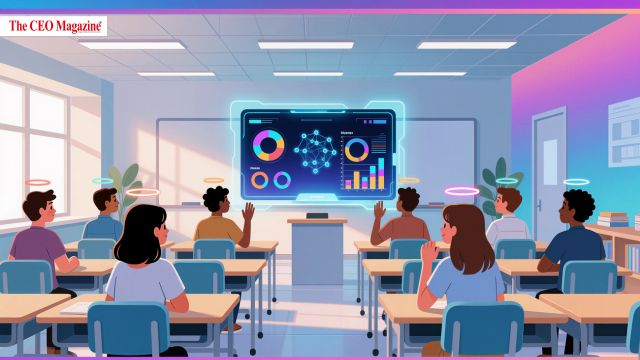
Interactive content transforms passive learning into an active experience, significantly boosting student motivation and retention. By incorporating quizzes, simulations, and videos, you can create a more dynamic learning environment. Research shows that interactive elements can lead to a 60% increase in engagement compared to traditional methods, enabling learners to immerse themselves fully in the material. Technologies such as augmented reality enhance realism, making complex concepts easier to understand and more enjoyable to explore.
Gamification Techniques
Integrating gamification techniques into digital learning can transform mundane lessons into exciting challenges. By employing elements like points, badges, and leaderboards, you encourage friendly competition among students, which can heighten their motivation. For example, platforms like Kahoot! allow learners to participate in trivia games, making learning fun while reinforcing knowledge. Studies show that gamified systems result in a 34% increase in student participation, solidifying their understanding of the material.
Real-Time Feedback
Providing real-time feedback is important in the digital learning landscape, as it allows you to identify misunderstandings and address them immediately. Students thrive when they can see their progress and receive immediate input on their performance. Tools like automated quizzes and interactive assessments facilitate this process, allowing you to deliver tailored feedback that supports individual learning paths. By using such methods, student retention rates can improve by over 20% as they feel more connected to their learning journey.
Real-time feedback not only enhances learning outcomes but also fosters a growth mindset among students. When you provide immediate responses to students’ work, it encourages reflection and continuous improvement. For instance, platforms like Quizlet and Edmodo allow students to receive instant feedback after completing exercises, enabling them to recognize areas needing attention. This ongoing dialogue helps cultivate a proactive approach to learning, ultimately leading to better performance and higher satisfaction levels. The quicker students receive their results, the more likely they are to apply lessons learned in future tasks, creating a cycle of continuous improvement and engagement.
Personalized Learning Paths
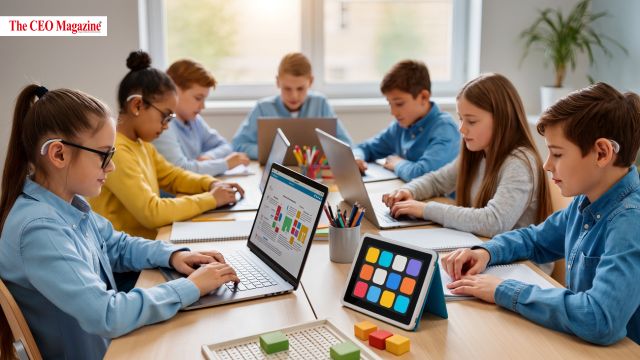
Tailoring education to individual student needs through personalized learning paths leads to improved outcomes. You can engage students at their own pace, allowing them to master concepts before moving on. This approach not only fosters deeper understanding but also builds confidence, as each learner can follow a unique path aligned with their interests and abilities.
Adaptive Learning Technologies
Adaptive learning technologies leverage algorithms to provide customized content based on your students’ performance. As they interact with the material, these systems adjust the difficulty level and learning resources in real-time, ensuring that each student receives the support they need to succeed. This responsive approach promotes proactive learning and reduces frustration.
Data Analytics for Individual Progress
Data analytics plays a vital role in tracking individual progress, allowing you to identify strengths and weaknesses among your students. By analyzing performance metrics, such as test scores and engagement levels, you can pinpoint areas that require more focus or adjustment. This data-driven insight enables you to provide targeted interventions that accelerate learning.
For instance, imagine using a data analytics platform that visualizes each student’s journey through the curriculum. With actionable insights, you can tailor your instructional methods, enhancing support where it’s needed most. A study found that schools employing data analytics to track student progress improved overall performance by 20%, demonstrating the effectiveness of personalized learning pathways. By continuously assessing and adapting to student needs, you facilitate a more responsive and impactful educational experience.
Improved Collaboration and Communication
Your ability to collaborate and communicate effectively is greatly enhanced through digital learning tools. These innovations offer real-time interactions that break down barriers, encouraging students to work together seamlessly, regardless of their physical location. By fostering a collaborative environment, these tools promote peer learning, important for improving overall student outcomes.
Online Discussion Platforms
Online discussion platforms facilitate deeper conversations among students beyond the traditional classroom setting. You can engage in discussions at your convenience, allowing for thoughtful responses and diverse perspectives that enhance learning experiences. Platforms such as forums and social media groups encourage participation from all students, helping to create a more inclusive dialogue.
Group Project Management Tools
Group project management tools streamline collaborative efforts by providing a structured approach to teamwork. With features like task assignments, deadlines, and progress tracking, you can stay organized and focused. These tools ensure accountability and enhance communication within groups, leading to successful project outcomes.
Group project management tools like Trello, Asana, or Microsoft Teams integrate various elements of collaboration, allowing teams to assign tasks, set deadlines, and monitor progress in real-time. By employing these tools, you can foster a sense of ownership among team members, encouraging them to bring their strengths to the project while reducing overlaps and miscommunication. Data-driven insights from these platforms help educators identify which groups may need additional support, leading to targeted interventions that can transform group dynamics.
Increased Access to Resources
Your access to educational resources has greatly expanded in the digital learning landscape, breaking down geographical and financial barriers. With a plethora of online materials at your fingertips, you can explore diverse topics and perspectives like never before. Digital platforms enable you to access up-to-date information and enhance your learning experience, ensuring you have everything you need to succeed.
Digital Libraries and Open Educational Resources
Digital libraries and open educational resources (OER) provide you with immense opportunities to access high-quality materials at no cost. Institutions like Khan Academy and Project Gutenberg, for instance, offer a wealth of textbooks, tutorials, and learning modules that cater to various subjects and learning levels. This democratization of resources not only fosters self-directed learning but also supports lifelong education.
Supplementary Learning Tools
Supplementary learning tools are vital in enhancing your educational journey. Platforms like Quizlet and Kahoot! allow you to engage with content actively, reinforcing knowledge retention through quizzes and interactive games. These tools not only encourage collaboration with peers but also help you visualize and apply concepts across different contexts.
Supplementary learning tools play a pivotal role in reinforcing classroom content by providing interactive and engaging experiences. For instance, research shows that using gamified learning platforms can increase student motivation by up to 50%, making it easier for you to grasp complex topics. Furthermore, these tools often include analytics features that allow you to track your progress and identify areas for improvement. By integrating supplementary tools into your study routine, you enhance your understanding and retention while making the learning process more enjoyable.
Tracking and Assessing Student Performance
You can significantly enhance student outcomes by effectively tracking and assessing performance. This continuous evaluation process allows educators to identify strengths and weaknesses in real-time, helping to inform instructional strategies and interventions tailored to individual needs. Utilizing digital tools to collect and analyze data enables more informed decision-making that directly impacts learning experiences.
Learning Management Systems
Learning Management Systems (LMS) streamline the tracking of student progress, providing you with valuable insights into engagement levels, assignment completion, and assessment performance. These platforms facilitate the organization of course materials and allow for timely feedback. By leveraging LMS analytics, you can enhance communication with students and customize learning pathways that better align with their specific academic needs.
Predictive Analytics for Academic Success
Predictive analytics empowers educators to forecast student performance trends based on historical data. By analyzing factors such as participation rates, assignment scores, and engagement metrics, you can proactively intervene with tailored support before issues arise. This data-driven approach fosters a more supportive learning environment, ultimately driving student achievement.
For example, an analysis conducted by a university revealed that students who engaged in specific interactive content were 30% more likely to improve their grades. Predictive models can flag at-risk students early, allowing you to deploy targeted resources or mentorship programs. By implementing predictive analytics, you can not only enhance academic performance but also help students reach their full potential through timely, informed support strategies.
Teacher Support and Professional Development
Your effectiveness as an educator greatly improves when you engage in targeted professional development supported by data insights. Training programs focused on using analytics can refine your teaching strategies, allowing for more effective lesson planning and content delivery. For instance, many districts have implemented data workshops that help teachers integrate learning analytics into their curriculum, fostering a culture of continuous improvement.
Data-Driven Instructional Strategies
Implementing data-driven instructional strategies allows you to tailor your approach to better suit student needs. By analyzing performance metrics, you can identify which teaching methods resonate most with your learners. This targeted approach can lead to more effective lesson plans that address learning gaps and capitalize on student strengths.
Continuous Feedback Loops
Continuous feedback loops play a vital role in optimizing student learning experiences. By regularly assessing student performance, you gain immediate insights that inform your teaching practices. This dynamic process not only empowers you to make real-time adjustments but also encourages students to take ownership of their learning journey.
Continuous feedback loops foster a responsive teaching environment where adjustments can be made promptly. For example, utilizing tools like formative assessments and real-time quizzes allows you to gauge understanding and clarify misconceptions immediately. As you collect this data, you can implement tailored interventions or enrichment opportunities to enhance student outcomes. This ongoing dialogue between you and your students creates a comfortable atmosphere where they feel supported in their learning, ultimately leading to greater academic success.
FAQ
Q: How does data analytics improve digital learning experiences for students?
A: Data analytics enables educators to identify learning patterns and areas where students may struggle. By analyzing performance metrics, teachers can adjust instructional methods, provide targeted resources, and offer real-time feedback, thereby enhancing the overall learning experience.
Q: In what ways can adaptive learning technologies support diverse learning needs?
A: Adaptive learning technologies utilize algorithms that tailor educational content based on individual student performance and preferences. This personalization ensures that all learners, including those with varying abilities, receive appropriate challenges and support, promoting better outcomes for each student.
Q: What role do gamification elements play in boosting student motivation in digital learning?
A: Gamification incorporates game-like elements such as rewards, challenges, and leaderboards into the learning process. These features increase student motivation and engagement by making learning more interactive and enjoyable, ultimately leading to improved academic performance.