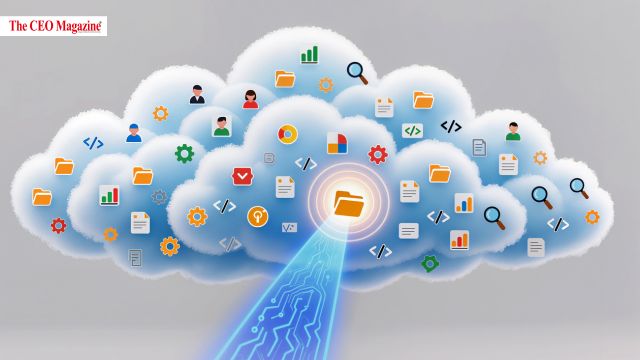
Many Chief Technology Officers (CTOs) face significant challenges in safeguarding sensitive student data within cloud-based Learning Management Systems (LMS). As you navigate this complex landscape, understanding best practices for data security is vital. Implementing robust encryption, stringent access controls, and regular audits can help protect your institution’s information from breaches. Additionally, fostering a culture of security awareness among staff and students will further strengthen your data protection efforts. This post will provide you with actionable strategies to enhance security measures and ensure compliance with data protection regulations.
Key Takeaways:
Implement robust encryption methods for data both in transit and at rest to protect sensitive student information.
Regularly conduct security audits and vulnerability assessments to identify and address potential risks in the LMS environment.
Ensure compliance with educational data protection regulations, such as FERPA, to maintain legal and ethical standards in data handling.
Understanding Cloud-Based LMS Platforms
Cloud-based Learning Management Systems (LMS) are digital platforms designed to facilitate online education and training. These systems allow for the storage, management, and delivery of educational content while enabling interaction between educators and students in real-time, regardless of geographic location. By leveraging cloud technology, these platforms offer scalability, accessibility, and the potential for enhanced learning experiences through interactive tools and multimedia resources.
Definition and Features
A cloud-based LMS is a software application hosted on the cloud, providing educators with tools to create, distribute, and assess learning content. Key features typically include course management, learner analytics, mobile accessibility, and integration capabilities with other educational technologies. This flexibility empowers instructors to tailor their approaches and enables students to access materials from any device, promoting an inclusive learning environment.
Benefits of Cloud-Based LMS for Education
Cloud-based LMS platforms offer significant advantages for educational institutions, including cost-effectiveness, scalability, and enhanced collaboration. By eliminating the need for extensive on-premise infrastructure, institutions can reduce equipment and maintenance costs while providing a flexible platform that grows with their needs. Furthermore, these systems facilitate real-time collaboration among students and teachers, enriching the overall educational experience.
Specifically, the cost-effectiveness of cloud-based LMS allows institutions to allocate resources more efficiently, ensuring they can invest in additional tools and programs that enhance learning. The scalability of these platforms means as your student population grows or as new courses are developed, your system can expand seamlessly without requiring major overhauls. Enhanced collaboration tools within the LMS foster a community of learners, making education a more interactive and engaging experience. With features like discussion forums and shared resources, students and instructors can work together in dynamic ways, reflecting the modern educational environment.
Importance of Student Data Security
Prioritizing student data security is imperative as educational institutions increasingly rely on cloud-based Learning Management Systems (LMS). Protecting this data not only safeguards students’ privacy but also cultivates trust among stakeholders, including parents, educators, and students themselves. A robust data security framework ultimately contributes to a safer learning environment, allowing you to focus on providing quality education without the looming threat of data breaches.
Types of Student Data at Risk
Your LMS platforms store various sensitive information, making them prime targets for cyber threats. Key types of student data at risk include:
Personal identification information (PII)
Academic records and transcripts
Financial information (tuition fees, scholarships)
Health records and accommodations
Login credentials and access logs
Any breach of this data can lead to severe consequences, underscoring the need for stringent security measures.
Type of Data
Potential Risks
Personal Identification Information (PII)
ID theft, identity fraud
Academic Records
Manipulation of grades
Financial Information
Financial loss, fraud
Health Records
Discrimination, privacy violations
Login Credentials
Unauthorized access and breaches
Implications of Data Breaches
Data breaches can have far-reaching implications, damaging your institution’s reputation and eroding trust. They may result in legal penalties or financial liabilities while exposing students to identity theft and personal risks. Moreover, the loss of sensitive information can disrupt educational processes, forcing you to divert resources to incident response instead of core teaching activities.
The consequences of data breaches extend beyond immediate financial losses or reputational damage. For instance, the 2020 data breach at a well-known university affected thousands of students, leading to legal action and significant reparations. In addition, many students felt their personal safety was compromised, creating long-lasting effects on their trust in the institution. As a CTO, if you do not prioritize data security, you risk not just the integrity of your organization, but also the well-being of those you serve. Implementing strong security measures is necessary for minimizing these implications.
Role of the CTO in Data Security
The CTO plays a pivotal role in safeguarding student data within cloud-based LMS platforms, directly influencing the organization’s approach to data security. By establishing robust security protocols and adopting innovative technologies, you ensure that sensitive information remains protected against unauthorized access and breaches. Your leadership directly impacts the creation of a culture emphasizing data confidentiality and security across the institution.
Overseeing IT Infrastructure
As the CTO, you are responsible for overseeing the entire IT infrastructure, which includes managing cloud resources, servers, and networks. This involves implementing advanced security measures such as firewalls, encryption, and intrusion detection systems to shield student data from external threats. You must ensure that the infrastructure is resilient, scalable, and capable of accommodating evolving security demands.
Ensuring Compliance with Regulations
Your role encompasses ensuring compliance with data protection regulations such as FERPA, GDPR, and others relevant to your institution. By familiarizing yourself with these legal frameworks, you can implement necessary policies and procedures that protect student data while meeting regulatory standards.
Understanding compliance mandates is fundamental to your duties as a CTO. For instance, FERPA requires strict guidelines on handling educational records, while GDPR offers rights to individuals regarding their personal data. You should conduct regular audits and risk assessments to identify any gaps in compliance and address them proactively. Training staff on compliance regulations also plays a vital role, ensuring all team members are aware of their responsibilities in data handling. By fostering a culture of awareness and accountability, you position your institution to avoid costly fines and reputational damage associated with non-compliance.
Best Practices for Securing Student Data
To effectively protect student data, implement a comprehensive strategy that encompasses robust data encryption, stringent access control measures, and regular security audits. Each of these practices not only fortifies your systems against breaches but also promotes a culture of data protection across your institution. Educating staff and students about these measures enhances overall cybersecurity awareness and compliance.
Data Encryption Techniques
Utilizing strong encryption techniques is necessary for safeguarding student data both at rest and in transit. Implement advanced encryption protocols such as AES-256 and TLS to prevent unauthorized access. This practice ensures that even if data is intercepted or accessed without permission, it remains unreadable and secure. Regularly review and update your encryption methods to stay ahead of emerging threats.
Access Control Measures
Enforcing strict access control measures is vital for protecting student information. Implement role-based access controls (RBAC) to ensure that only authorized personnel can access sensitive data. Regularly review user permissions and employ multi-factor authentication to enhance security, minimizing the risk of unauthorized access.
Access control isn’t just about setting permissions; it requires regular audits and updates to adapt to any changes within your organization. By tracking user activity and establishing an on-boarding and off-boarding process for employees, you ensure that access is granted based on necessity and that it’s immediately revoked when employees leave the institution. Additionally, utilizing identity and access management solutions can streamline this process, providing you with insights into who accesses student data and when, further strengthening your security posture.
Implementing Effective Incident Response Plans
Developing a robust incident response plan is vital for promptly addressing potential data breaches. Your plan should outline clear protocols for detection, reporting, and management of incidents affecting student data. Regular drills and updates to the plan ensure that your team remains prepared for any scenario, minimizing response time and mitigating risks effectively.
Preparing for Data Breaches
Awareness and preparation are key when it comes to data breaches. Conduct regular risk assessments and penetration testing to identify vulnerabilities within your LMS. Create a dedicated team responsible for monitoring potential threats and ensure they are equipped with the latest threat intelligence to act swiftly when issues arise.
Recovery Strategies
Implementing robust recovery strategies is vital after a data breach. These strategies should include data backups, restoration protocols, and communication plans for stakeholders. By ensuring that data can be recovered reliably within a stipulated timeframe, you enhance your organization’s resilience against potential crises.
Effective recovery strategies should incorporate automated backups that occur regularly, ideally multiple times a day, to minimize data loss. Consider utilizing cloud storage solutions for redundancy, allowing for quick access to backed-up data if needed. In your communication plan, ensure that all stakeholders, including students and parents, understand the breach’s implications and the steps being taken to secure their information and restore services. Establishing a transparent process enhances trust and demonstrates your commitment to student data protection.
Collaborating with Third-Party Vendors
Engaging third-party vendors can enhance your LMS capabilities but introduces additional security risks. Ensuring that these vendors align with your data security standards is imperative for protecting student information. You must cultivate a collaboration that prioritizes transparency, security compliance, and risk management to maintain trust and integrity in data handling.
Assessing Vendor Security Protocols
Before partnering with vendors, conduct a thorough assessment of their security protocols. Evaluate their encryption methods, data access controls, and incident response strategies. A rigorous analysis can reveal vulnerabilities that may jeopardize student data, providing a basis for informed decision-making in your partnerships.
Establishing Clear Contracts and SLAs
Contracts and Service Level Agreements (SLAs) should explicitly outline security expectations, data handling procedures, and breach notification processes. These legal documents serve as the foundation for accountability, ensuring vendors adhere to your security standards while providing a framework for recourse in case of non-compliance.
In the contracts and SLAs, include specific metrics and response times for data breaches and security incidents. For instance, outline required notification periods and remediation steps, allowing you to respond quickly to any issues that may arise. Clearly defined penalties for non-compliance can also encourage vendors to prioritize data security. Furthermore, regular reviews and updates to these agreements ensure they remain relevant as security technologies and threats evolve. This proactive approach solidifies accountability and fosters a culture of security across all partnerships.
Conclusion
Ultimately, securing student data on cloud-based Learning Management Systems requires you to adopt a multi-faceted approach. By implementing strong access controls, continuous monitoring, and regular audits of your data handling practices, you can significantly mitigate risks. Educating users on potential security threats and fostering a culture of data privacy within your organization will enhance your efforts. Emphasizing encryption for data at rest and in transit is also vital to protect sensitive information. By taking these steps, you ensure that student data remains secure and confidential in today’s digital learning environment.
FAQ
Q: What measures should CTOs implement to safeguard student data on cloud-based LMS platforms?
A: CTOs should prioritize encryption of data both in transit and at rest, ensure robust access controls and authentication protocols, conduct regular security audits, and establish a data breach response plan. Additionally, monitoring tools can help detect unauthorized access or anomalies in usage.
Q: How can CTOs educate staff and students about data security on LMS platforms?
A: CTOs should develop comprehensive training programs focused on data privacy best practices, including recognizing phishing attempts, the importance of strong passwords, and safe data sharing procedures. Regular workshops and updates on potential threats can enhance awareness and promote a culture of security.
Q: What role do third-party integrations play in protecting student data on cloud-based LMS platforms?
A: Third-party integrations must be carefully assessed for security compliance and data handling practices. It’s necessary for CTOs to conduct due diligence on these vendors, ensuring they meet the necessary security standards and that agreements include provisions for safeguarding student information and compliance with regulations like FERPA or GDPR.