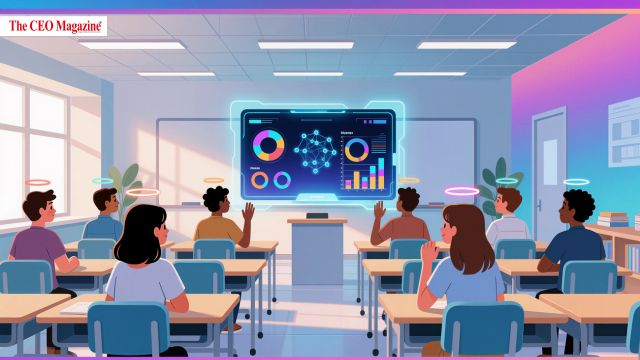
It’s important to recognize the transformative power of educational technology in modern learning environments. By integrating EdTech solutions, you can enhance your institution’s teaching methods, improve student engagement, and create a more dynamic educational experience. This blog post will guide you through practical steps to leverage technology effectively, ensuring your institution evolves into a cutting-edge learning hub that meets the needs of today’s learners.
Key Takeaways:
- Integrate technology into the curriculum to enhance engagement and collaboration among students and faculty.
- Invest in professional development to equip educators with the skills necessary to effectively use EdTech tools.
- Foster a culture of continuous improvement by regularly assessing and refining the use of EdTech in the learning environment.
Understanding EdTech
Incorporating technology into education transforms traditional learning environments into dynamic, interactive spaces. By leveraging various digital tools and resources, you can create personalized learning experiences that cater to diverse student needs while preparing them for a tech-driven world.
Definition and Importance
EdTech, or Educational Technology, refers to the integration of digital tools and learning technologies into educational systems. Its importance lies in enhancing learning experiences, increasing accessibility, and fostering collaboration among students and educators, ultimately improving educational outcomes.
Key Trends in EdTech
Several key trends are shaping the EdTech landscape today, including AI-driven personalized learning, immersive technologies like AR and VR, and a push for remote learning solutions. These advancements not only cater to diverse learning styles but also adapt to the unique needs of each student.
Among these trends, artificial intelligence is revolutionizing the way you engage with students. For instance, platforms like DreamBox Learning utilize adaptive algorithms to tailor math lessons based on individual performance, enhancing mastery and confidence. Similarly, immersive technology such as augmented reality enables students to explore complex subjects in a more engaging manner, significantly improving retention rates. As remote learning continues to gain traction, tools built for seamless virtual collaboration, like Microsoft Teams and Zoom, are crucial for maintaining interaction and engagement in an online environment. Embracing these trends will position your institution at the forefront of educational innovation, effectively meeting the challenges of modern learning.
Assessing Institutional Needs
Understanding your institution’s specific needs is vital for effectively implementing EdTech solutions. Conduct a comprehensive analysis of current educational practices, technology infrastructure, and learner outcomes. Use surveys, data analytics, and institutional assessments to gauge strengths and weaknesses. This process will help identify where innovative technologies can enhance engagement, improve learning experiences, and support faculty development. By pinpointing your institution’s exact requirements, you can tailor your EdTech strategies to drive meaningful improvements.
Identifying Learning Gaps
To identify learning gaps, evaluate student performance data and feedback from both learners and educators. Look for trends in assessment results and engagement metrics to highlight areas where students struggle. Tools like learning analytics can reveal patterns, enabling you to focus on subjects or skills that require attention. This targeted approach ensures your EdTech implementations directly address the specific needs of your learners.
Engaging Stakeholders
Engaging stakeholders is important to ensure that your EdTech initiatives align with institutional goals. Involve educators, administrators, students, and parents in discussions about technological enhancements. Gather diverse perspectives through focus groups or committees, which helps build a collaborative environment. By integrating feedback from all relevant parties, you can create solutions that resonate across the institution and enjoy greater buy-in, ultimately leading to successful implementation.
Effective engagement starts with transparent communication. Schedule regular meetings to share updates and gather insights, and use platforms like surveys and social media to facilitate broader participation. For instance, holding workshops allows stakeholders to explore potential EdTech tools hands-on and discuss their implications. Consider establishing an advisory group with representatives from various departments to oversee and champion your EdTech initiatives. This active involvement fosters a sense of ownership and accountability, increasing the likelihood of achieving desired educational outcomes.
Developing a Strategic EdTech Plan
Creating a well-defined strategic EdTech plan is vital to ensure that your institution’s technology initiatives align with educational goals and improve learning outcomes. This process requires collaboration among stakeholders, including faculty, students, and administration. By identifying key areas for digital integration, you can establish a roadmap that addresses specific challenges and opportunities within your educational environment.
Setting Goals and Objectives
Your goals and objectives must be specific, measurable, attainable, relevant, and time-bound (SMART). Begin by pinpointing the desired outcomes you want to achieve, such as increasing student engagement or improving digital literacy. Collaborate with educators to gather input and create a shared vision, ensuring that all team members understand how their efforts contribute to the overall objectives.
Budgeting for EdTech Solutions
Understanding the financial aspects of implementing EdTech is key to sustainable growth. A detailed budget should account for both initial investments and ongoing maintenance costs. Consider factors like software licenses, hardware upgrades, and professional development expenses for staff to maximize the effectiveness of your EdTech resources.
Breaking down your budget further can lead to informed decisions. For instance, allocate 30% for software subscriptions and 20% for hardware purchases, while reserving funds for continuous training. Review previous spending patterns and consult with other institutions that have successfully integrated EdTech. To optimize costs, explore grants or partnerships, ensuring you maximize every dollar spent on advancing your technology initiatives.
Implementing EdTech Tools
Effective implementation of EdTech tools is key to transforming your institution into a dynamic learning hub. This process involves not only selecting the right technologies but also ensuring that faculty and staff are adequately trained to leverage these tools to enhance learning outcomes. By adopting a structured approach, you can integrate technology in ways that align with your educational goals.
Selecting Appropriate Technologies
Choosing the right EdTech tools starts with a clear understanding of your educational objectives and the needs of your students. Evaluate platforms based on usability, scalability, and compatibility with existing systems. Engage stakeholders, including faculty and students, in the selection process to ensure the tools foster engagement and accessibility, enhancing the overall learning experience.
Training Faculty and Staff
Investing in comprehensive training for faculty and staff is vital for the successful adoption of EdTech. Tailored workshops, hands-on sessions, and ongoing support can empower your team to effectively implement and utilize new tools in their teaching practices, ultimately enriching the students’ learning experience.
Ongoing training programs should incorporate a mix of in-person workshops and online resources to accommodate differing learning preferences among faculty and staff. Consider peer-led sessions where experienced users provide real-world insights and share best practices. Offering incentives for completing training can also motivate participation. Regularly assessing the effectiveness of these training initiatives ensures that faculty stay up to date with technological advancements, fostering a culture of continuous learning that benefits both educators and students alike.
Enhancing Learning Experiences
To truly elevate learning experiences, it’s necessary to leverage technology that fosters engagement and supports diverse learning styles. Utilizing interactive platforms, adaptive learning systems, and multimedia resources allows learners to connect more deeply with material, promoting both retention and application of knowledge. By focusing on user-centric design in your EdTech tools, you can create an environment where students are motivated to participate actively, transforming passive learning into an engaging journey.
Personalizing Learning Journeys
Customizing learning paths based on individual student needs can significantly enhance their educational experience. By utilizing data analytics and adaptive technologies, you can identify each learner’s strengths and weaknesses, tailoring content to fit their unique pace and style. This personalized approach not only fosters greater engagement but also empowers students by giving them ownership of their learning process.
Encouraging Collaborative Learning
Fostering collaborative learning environments is instrumental in developing critical thinking and social skills among students. By employing tools such as group discussions, project-based learning challenges, and peer assessments, you can create opportunities for students to work together, share ideas, and solve problems as a team. This not only enriches the learning experience but also prepares students to thrive in future collaborative professional settings.
Integrating collaborative learning strategies enhances not only academic performance but also interpersonal dynamics among students. For example, platforms like Google Workspace facilitate real-time group projects, allowing students to brainstorm collectively and provide feedback instantaneously. Research indicates that collaborative learning can lead to an increase in academic achievement by up to 25%. Encouraging peer-to-peer interaction through discussion forums, study groups, and shared digital workspaces enables students to learn from one another while fostering a sense of community, necessary for holistic education.
Measuring Success and Impact
Regularly measuring success and impact is vital for ensuring that EdTech initiatives achieve their intended goals. Utilize both qualitative and quantitative metrics to assess student engagement, achievement, and satisfaction. Surveys, performance analytics, and retention rates can provide valuable insights, while anecdotal evidence from educators and learners helps gauge the emotional and social impact of these tools. Gathering comprehensive feedback enables you to refine your strategies and make informed adjustments to drive continuous improvement.
Using Data to Inform Decisions
Leveraging data to inform decisions allows you to enhance the effectiveness of your EdTech initiatives. Analyze student performance metrics, course completion rates, and feedback surveys to identify areas needing improvement. Prioritize data from diverse sources to create a holistic view of your institution’s technological impact. This evidence-based approach will empower you to develop targeted interventions that address specific challenges and maximize learning outcomes.
Continuous Improvement Strategies
Implementing continuous improvement strategies is vital for adapting and evolving your EdTech environment. Regularly review performance data, seek stakeholder feedback, and stay updated with the latest educational technologies. Creating a culture of collaboration among faculty encourages the sharing of best practices and innovative teaching methods, while professional development opportunities help educators integrate emerging tools effectively. Utilize pilot programs to test new technologies before full-scale implementation, ensuring that you only adopt solutions that meet your institution’s needs.
Incorporating continuous improvement strategies begins with establishing a feedback loop among all stakeholders involved. Schedule periodic evaluations that not only focus on academic outcomes but also emphasize user experience. For instance, hosting focus groups with students and instructors can unveil insights into usability challenges or content relevance, while data from learning management systems can reveal trends in engagement. Establishing an institutional committee dedicated to monitoring and evaluating EdTech tools ensures that strategic adjustments can be made promptly. This proactive approach will foster an adaptive learning environment, ultimately enhancing educational quality and student success.
Conclusion
From above, as you begin on transforming your institution into an EdTech-enabled learning hub, focus on integrating technology thoughtfully to enhance educational experiences. Embrace innovative tools that facilitate collaboration and personalized learning, ensuring that they align with your institution’s goals. By fostering a culture of continuous improvement and adaptability, you can empower both educators and students, ultimately leading to enriched learning outcomes and a more dynamic educational environment.
FAQ
Q: What are the first steps to transform my institution into an EdTech-enabled learning hub?
A: Begin by evaluating your current technological capabilities and identifying gaps in resources. Engage stakeholders, including faculty, students, and IT staff, to gather input on their needs and expectations. Develop a strategic plan that outlines specific goals, required technologies, and a timeline for implementation.
Q: How can educators be effectively trained to utilize new EdTech tools?
A: Implement comprehensive professional development programs focused on technology integration in pedagogy. Offer hands-on workshops, online courses, and mentoring opportunities. Encourage a culture of continuous learning where educators can share best practices and collaborate on innovative teaching strategies.
Q: What types of technology should be prioritized for creating an EdTech-enabled learning hub?
A: Focus on tools that enhance learning experiences and improve administrative efficiency. Prioritize learning management systems (LMS), collaborative platforms, digital resources, and data analytics tools. Ensure that the selected technologies are user-friendly and effectively support instructional goals.