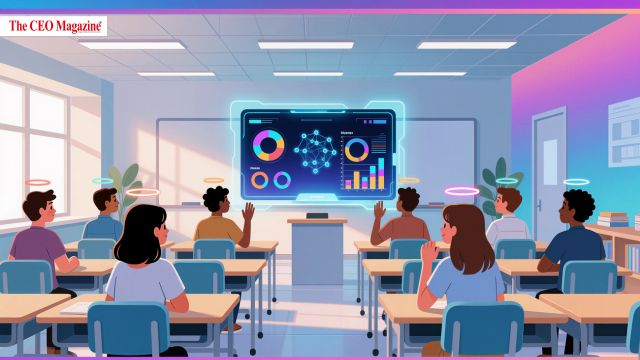
You might be surprised to learn how gamification and interactive learning are transforming educational experiences. As I explore the integration of AI and technology in classrooms, I discover how these tools not only enhance engagement but also make learning enjoyable for students. By leveraging game-like elements and interactive methods, you can unlock new levels of motivation and retention. In this blog post, I’ll share insights on how these innovative approaches are reshaping education and keeping learners excited about their journeys.
The Evolution of Gamification in Education
Your journey through the world of gamification in education reveals a dynamic landscape that has transformed how students engage with learning. From early attempts to integrate game-like elements in the classroom to sophisticated digital platforms, educational gamification has evolved significantly, making it an imperative tool for modern educators aiming to enhance motivation and improve learning outcomes.
Historical Context and Development
To understand the evolution of gamification in education, we must look back at its origins in the late 20th century. The introduction of computer-based learning facilitated the early experiments with educational games, fostering an environment where interactive elements could captivate learners. As technology advanced, so did the complexity and effectiveness of gamified experiences, providing educators with more tools to boost engagement and retention.
Current Trends in Gamified Learning
Among the latest trends in gamified learning, I see a significant rise in the use of adaptive learning technologies, where systems tailor experiences to individual student needs, and game mechanics such as leaderboards and reward systems enhance motivation. This shift reflects a broader push towards personalized education, leveraging data analytics to improve the learning process.
It is exciting to witness how immersive technologies, including virtual and augmented reality, are being integrated into educational gamification. These tools offer students experiential learning opportunities that not only engage them more meaningfully but also allow for collaboration and real-world applications. Furthermore, the trend towards mobile learning platforms makes gamified learning accessible anytime, anywhere, encouraging students to take charge of their educational journeys while making the process enjoyable and effective.
Technology-Enhanced Interactive Learning
Some of the most exciting advancements in education stem from technology-enhanced interactive learning. With a wide variety of tools and platforms, educators can now create dynamic environments that engage students in meaningful ways. From gamified lessons to virtual classrooms, these technologies foster collaboration and critical thinking, allowing learners to take control of their education while providing instant feedback to improve their skills.
Integration of AI in Educational Tools
For educators, integrating AI into educational tools offers limitless possibilities for personalization and adaptive learning. These intelligent systems can analyze student performance in real-time, customizing challenges and content to meet each learner’s unique needs, thereby enhancing engagement and retention. With AI, I can create tailored experiences that encourage exploration and foster a genuine love for learning.
Benefits of Interactive Learning Environments
After exploring interactive learning environments, I’ve seen firsthand how they transform education into an engaging experience. Students become active participants rather than passive recipients of information, creating a sense of ownership in their learning journey. These environments not only motivate learners but also enable them to develop vital skills such as teamwork, problem-solving, and creativity.
The benefits of interactive learning environments are evident in their ability to create a more motivating and engaging educational experience. When students interact with content and collaborate with peers, they develop a deeper understanding of the material. This approach enhances critical thinking and problem-solving skills, which are vital in today’s rapidly changing world. Furthermore, such environments reduce anxiety associated with traditional learning methods, allowing students to explore their interests freely while receiving immediate feedback and support. Ultimately, fostering these interactive spaces leads to a more holistic educational experience, nurturing both personal and academic growth.
Motivational Theories Behind Gamification
While exploring the impact of gamification in education, I discovered that several motivational theories underpin this method, primarily focusing on intrinsic and extrinsic motivation. These theories suggest that when learners are engaged through game-like elements, such as challenges and achievements, they are more likely to invest effort, persist, and develop a love for learning. By harnessing these motivational principles, educators can create an environment that fosters not just knowledge retention, but also a genuine enthusiasm for discovery.
Engagement and Motivation Strategies
Beside traditional methods, I find that effective engagement strategies can be significantly enhanced through gamified elements. By integrating storytelling, interactive scenarios, and personalized learning paths, we create a more vibrant educational experience that captivates your attention and encourages active participation. These strategies allow you to feel connected to the material, driving better outcomes and a deeper understanding of complex concepts.
The Role of Rewards and Incentives
Around the gamified learning landscape, the role of rewards and incentives cannot be overstated. These elements serve as powerful motivators, encouraging you to reach specific milestones in your educational journey. With carefully structured reward systems, educators can boost your confidence and foster resilience, helping you to push through challenges while celebrating achievements along the way.
Behind these reward systems lies the psychology of motivation, which indicates that recognition stimulates a sense of accomplishment and belonging. By offering tangible rewards, such as badges or points, combined with intrinsic rewards like satisfaction from mastering a new skill, you can feel more driven and focused. However, it’s important to balance extrinsic rewards with intrinsic motivation, as over-reliance on material incentives can lead to diminished interest in learning itself. Striking this balance helps ensure that you remain engaged and motivated in the long term, cultivating a lifelong love for education.
Case Studies of Successful Implementation
Keep yourself informed with these noteworthy examples demonstrating the power of gamification and interactive learning.
- Duolingo: Over 500 million users, achieving a 60% retention rate through gamified language learning.
- Classcraft: This educational tool reported a 20% increase in student engagement and a 2x improvement in test scores.
- Zaption: Used by 3,000 educators, leading to a 35% improvement in video lesson completion rates.
- Kahoot: Over 1 billion games played, promoting active participation and a 30% boost in classroom engagement.
Schools and Organizations Leading the Way
Below are examples of institutions that are at the forefront of integrating AI and technology into their learning environments.
- Desire2Learn (D2L): Expanded its use of gamification in over 10 countries, impacting 5 million students.
- St. Andrew’s Episcopal School: Incorporating AR/VR technology into science classes, leading to a 40% rise in project completion.
- Edmodo: Reached 100 million users, with a gamified platform enhancing collaboration among students and teachers.
Impact on Student Learning Outcomes
Leading research indicates that integrating gamification and interactive learning methodologies significantly enhances educational outcomes.
Studies show that classrooms utilizing gamification models often yield an astounding 37% increase in student achievement. Moreover, there’s a reduction in dropout rates by up to 20%, indicating students are more engaged and invested in their learning journeys. Positive feedback from students highlights their motivation levels, with over 80% appreciating the fun aspect of learning. It’s vital to note the effectiveness of these approaches lies not just in technological integration but in how they foster a sense of community and collaboration among learners.
Challenges and Considerations
All educators face challenges when integrating gamification and interactive learning into their teaching methods. From ensuring that technology is effectively used to evaluating student engagement, these considerations require a careful approach. Understanding the potential issues can help you foster innovative pedagogical strategies while maximizing student learning outcomes.
Potential Drawbacks of Gamification
Potential drawbacks of gamification can include over-reliance on rewards, which may lead to superficial engagement rather than deeper understanding. Additionally, if not designed well, gamified elements may distract students from the learning process instead of enhancing it. It is crucial to find a balance to use gamification effectively.
Addressing Equity and Access Issues
Against the backdrop of rapidly advancing technology, equity and access issues remain significant challenges in gamification. Not all students have equal access to the necessary devices or high-speed internet, which can create barriers to participation. This inequality may widen the achievement gap, leaving some learners at a disadvantage while their peers engage with interactive content.
Even with the potential of gamification to enhance learning, we must consider the implications of access and equity in education. Students from underprivileged backgrounds may not have the same technological resources, impacting their learning experiences and outcomes. Moreover, inadequate access to tools like computers, tablets, and reliable internet connections can alienate them from receiving the full benefits of gamified learning. It’s important for educators and policymakers to advocate for solutions that ensure all students can thrive in this interactive learning environment, bridging the gap and promoting inclusive practices.
The Future of Learning with Gamification and AI
Despite ongoing debates about the role of technology in education, I firmly believe that gamification and AI represent the future of learning. These innovative approaches are transforming the educational landscape, making learning not just more engaging, but also personalized and effective. As technology advances, I see endless possibilities for creating captivating learning experiences that cater to diverse learning styles and needs.
Emerging Technologies and Innovations
Below the surface, I see a wave of emerging technologies poised to revolutionize education. Virtual Reality (VR), Augmented Reality (AR), and blockchain are just a few examples of innovations that are enhancing interactive learning. These tools enable immersive scenarios where students can practice skills in a safe, controlled environment, promoting deeper understanding and retention. The integration of these technologies with AI algorithms further personalizes the learning experience, adapting content to fit individual student needs.
Predictions for the Evolution of Education
For the future of education, I anticipate that gamification paired with AI will not only improve engagement but also lead to deeper learning outcomes. I predict a shift towards competency-based education where learners progress at their own pace, breaking free from traditional classroom constraints. This custom-tailored approach will foster motivation and encourage a love for learning, allowing you to explore subjects more thoroughly.
With advancements in gamification and AI, the educational landscape is set for a substantial transformation. I envision that as we embrace these technologies, we will witness a shift towards more flexible learning environments that promote self-directed learning. Furthermore, as these tools become mainstream, they will make education more accessible, bridging gaps for underserved populations. However, it’s important to navigate these changes carefully, as an over-reliance on technology could pose risks in diminishing interpersonal skills and critical thinking. Ultimately, the melding of gamification and AI in education holds immense potential, and I am excited to see where this journey takes us.
Summing up
Upon reflecting on the integration of gamification and interactive learning through AI and technology, I believe that these innovations are truly transforming education into a more engaging and enjoyable experience. By incorporating game-like elements, you can motivate yourself to learn more effectively and actively participate in your educational journey. As we continue to embrace these advancements, I am confident that learning will become more dynamic, encouraging curiosity and fostering a deeper understanding of subjects. This evolution in education not only benefits learners but also equips educators with new and exciting ways to facilitate knowledge acquisition.
Q: What is gamification and how does it enhance interactive learning in education?
A: Gamification refers to the incorporation of game-like elements in non-game contexts, such as educational environments, to enhance engagement and motivation. By integrating achievements, point systems, leaderboards, and interactive storytelling, gamification transforms traditional learning into a dynamic experience. This approach not only makes learning enjoyable but also encourages learners to participate actively, fostering a competitive yet collaborative atmosphere where students are more likely to explore and absorb new concepts.
Q: How are AI and technology transforming traditional educational methods into interactive learning experiences?
A: AI and technology are revolutionizing education by providing personalized learning experiences that adapt to each student’s needs. Advanced algorithms analyze learner data to tailor content, pacing, and assessments, ensuring that every individual progresses at an optimal rate. Additionally, technology such as Virtual Reality (VR) and Augmented Reality (AR) brings subjects to life, allowing students to engage with complex topics in an immersive environment. This synergy between AI, technology, and interactive learning promotes a deeper understanding and retention of material.
Q: What are the benefits of using gamification and technology in the classroom for both students and educators?
A: The integration of gamification and technology in the classroom offers numerous benefits for students and educators. For students, it leads to increased motivation, improved collaboration, and enhanced problem-solving skills. They are likely to develop a positive attitude towards learning through engaging and interactive activities. For educators, these tools provide valuable insights into student performance, enabling them to identify areas where learners may need additional support. Furthermore, gamified lessons can streamline lesson planning and assessment, making the teaching process more efficient and enjoyable.