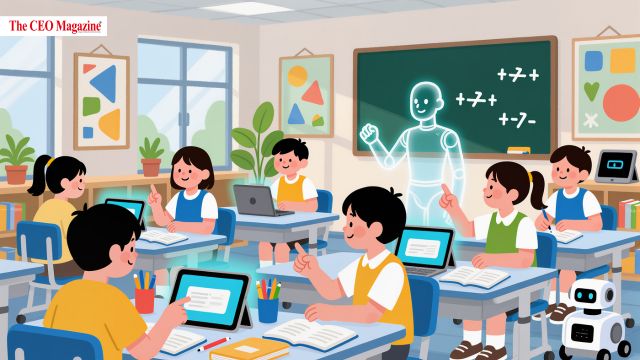
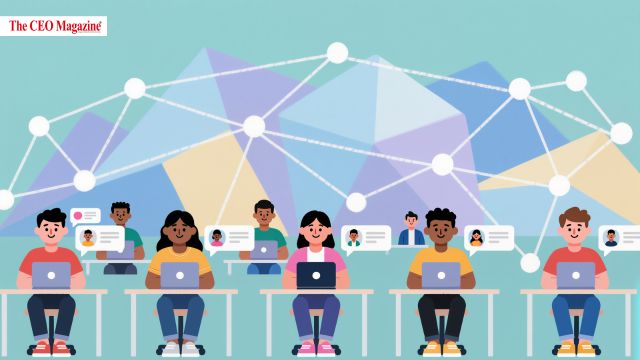
There’s an undeniable shift in how artificial intelligence is transforming the educational landscape, and as a school owner, you need to stay ahead of these changes. Understanding the potential applications and benefits of AI can enhance your institution’s efficiency, personalize learning experiences, and improve student outcomes. By embracing AI-driven tools and strategies, you can position your school for future success and create a more engaging environment for your students and staff. This post will guide you through important insights and actionable steps to effectively integrate AI into your educational framework.
Key Takeaways:
- AI can enhance personalized learning experiences, tailoring educational content to meet individual student needs.
- Implementing AI tools can streamline administrative tasks, allowing educators to focus more on teaching and less on paperwork.
- Investing in AI training for staff is important to effectively integrate these technologies into the school curriculum.
Understanding AI in Education
As you explore the integration of AI into education, it’s crucial to grasp its foundational concepts and emerging applications. This understanding will empower you to leverage AI effectively to enhance learning experiences, improve operational efficiencies, and adapt to the evolving educational landscape.
Definition of AI
Artificial Intelligence (AI) refers to the simulation of human intelligence in machines programmed to think and learn. These systems can perform tasks that typically require human cognition, including problem-solving, pattern recognition, and decision-making, allowing for a more personalized learning environment in education.
Current Trends in AI Applications
The application of AI in education is rapidly evolving, with personalized learning paths, intelligent tutoring systems, and automated grading becoming standard. Schools are increasingly adopting AI-driven tools that analyze student performance to tailor educational resources to individual needs, facilitating a more effective learning journey.
AI applications are increasingly reshaping educational practices. For instance, platforms like DreamBox and Khan Academy utilize adaptive learning technologies to cater to individual student capabilities, improving engagement and mastery. Additionally, AI-powered chatbots serve as 24/7 academic support, providing instant feedback and assistance. Schools implementing these technologies reported a significant increase in student performance, with some institutions noting a 30% improvement in engagement levels. By embracing these trends, you can effectively prepare your students for a future increasingly shaped by technology.
Benefits of AI for Schools
Integrating AI into educational settings brings numerous advantages that can enhance both teaching and learning experiences. From personalized learning paths that cater to individual student needs to streamlined administrative tasks that free up valuable educator time, AI facilitates an environment where both students and educators can thrive. This technology not only boosts engagement and outcomes but also optimizes resource management for schools, ensuring a focus on what truly matters: student success.
Personalized Learning Experiences
AI empowers you to create tailored learning experiences for each student by analyzing their performance and adapting content accordingly. This technology can identify strengths and weaknesses, allowing you to provide customized resources and lesson plans that cater to diverse learning styles. As a result, students become more engaged and motivated, leading to improved academic outcomes.
Efficient Administrative Processes
AI significantly enhances administrative efficiency, minimizing time-consuming tasks such as scheduling, grading, and managing student records. By automating these processes, you can allocate more time to strategic initiatives and interactions that directly impact student learning. Schools leveraging AI for administrative functions often observe substantial time savings and operational improvements.
In-depth analysis reveals that educational institutions utilizing AI tools for administrative tasks can save 30-50% of time spent on manual processes. For example, AI-driven systems can quickly analyze student attendance, trends in academic performance, and even predict enrollment patterns, allowing you to respond proactively to student needs. This enables your team to focus on strategic planning, student engagement, and ultimately, fostering a supportive learning environment. Schools can also reduce errors associated with human data entry, leading to more accurate records and better decision-making. The overall efficiency gained from AI not only streamlines operations but fosters an innovative school culture dedicated to continuous improvement.
Challenges and Considerations
Integrating AI into your educational framework brings several challenges and considerations that must be navigated thoughtfully. The technology’s effectiveness hinges on not only the software’s capabilities but also the readiness of your staff and students to adapt. Training is crucial, as is cultivating an understanding of AI’s limitations, to ensure it enhances rather than complicates your institution’s educational goals.
Ethical Implications
AI in education raises significant ethical implications you need to address. Issues around bias in algorithms and the potential for AI to perpetuate stereotypes must be at the forefront of any implementation strategy. Developing an ethical framework for AI use ensures equitable learning experiences and fosters trust within your educational community.
Data Privacy Concerns
Data privacy is a paramount concern when integrating AI solutions in your school. As you utilize various platforms, the collection and management of sensitive student information must comply with regulations such as FERPA and GDPR. Ensuring robust data security measures protects your students and maintains their privacy.
Noncompliance with data privacy regulations can lead to severe consequences, including hefty fines and loss of trust from parents and students. Implementing stringent data governance policies is crucial; for example, anonymizing student data where possible and conducting regular audits of data access and usage can minimize risks. Additionally, educating your staff about proper data handling practices is crucial in fostering a culture of accountability and vigilance regarding data privacy. Such measures not only safeguard information but also enhance the credibility of your institution as a responsible user of advanced technologies.
Integrating AI into the Curriculum
Effective integration of AI into your curriculum involves ensuring that technology aligns with educational goals and enhances student learning outcomes. Tailoring AI tools to facilitate personalized learning experiences can significantly boost engagement and comprehension. This requires careful planning, adaptability in lesson delivery, and periodic assessment to evaluate the efficacy of AI applications in your instructional strategies.
Best Practices for Implementation
To successfully implement AI in your curriculum, adopt a phased approach, starting with pilot programs that assess AI tools’ impact on learning. Collaborate with educators to develop clear objectives and include technology training alongside curriculum changes. Continuous feedback from students and teachers will help refine your approach and capitalize on the benefits AI offers.
Training Educators on AI Tools
Your educators must be well-equipped to effectively utilize AI tools in their teaching. Ongoing training sessions that focus on both basic functionality and advanced features will enable teachers to leverage AI for personalized instruction. Providing them with hands-on experiences and real-world case studies can enhance their confidence and competence in integrating these technologies into their classrooms.
Comprehensive training programs should encompass not only technical know-how but also pedagogical strategies that utilize AI effectively. Incorporate workshops where educators practice using specific tools in lesson planning. Encourage peer mentoring and collaborative learning environments where teachers can share insights and tactics. Research indicates that districts that prioritize educator training see a 30% increase in user adoption of AI tools, leading to improved student engagement and learning outcomes.
Case Studies of Successful AI Integration
Real-world applications demonstrate the power of AI in education, providing valuable insights you can leverage. Schools across the globe have effectively integrated AI tools to enhance student learning and operational efficiency, with measurable outcomes that speak volumes. Here are some notable examples:
- Newark Public Schools, NJ: Increased student engagement scores by 30% with AI-driven personalized learning platforms.
- Colegio San Ignacio, Puerto Rico: Improved assessment accuracy by 25% using AI analytics to tailor learning strategies.
- Huntington Beach Union High School District, CA: Achieved a 20% boost in graduation rates after implementing AI tutoring systems.
- AltSchool, CA: Reported a 40% reduction in teacher workload through the adoption of automated administrative tools.
- University of Southern California: Utilized AI for predictive analytics, enhancing retention rates by 15% in at-risk student populations.
Schools Leading the Way
Several pioneering schools have embraced AI technologies successfully. For instance, AltSchool integrates adaptive learning environments and personalized instruction for students, revolutionizing traditional educational models and enabling customized pathways that suit diverse learning needs.
Lessons Learned and Outcomes
Examining these case studies reveals necessary lessons in AI adoption for educational institutions. The outcomes underscore the importance of integrating AI thoughtfully, focusing on alignment with curricular goals and ensuring proper training for educators.
Insights gathered from successful implementations highlight the significance of adaptable technology and stakeholder involvement. Schools discovered that meaningful teacher training and ongoing support were vital for effective AI integration. Furthermore, student data analytics played a key role in identifying specific learning challenges, enhancing overall outcomes and satisfaction. Collectively, these experiences demonstrate that a strategic approach to AI can lead to enriching educational experiences and improved student achievements. You can adopt similar methods to emerge as a leader in the innovative use of technology in your institution.
Future of AI in Education
The future of AI in education holds significant promise, transforming how students learn and teachers instruct. You can expect personalized learning experiences tailored to individual student needs, harnessing data analytics to enhance engagement and performance. AI will continue to automate administrative tasks, allowing educators to focus more on teaching, while innovations like virtual reality and augmented reality will create immersive learning environments.
Emerging Technologies and Innovations
Emerging technologies are shaping the educational landscape by introducing tools that enhance interactivity and accessibility. For example, platforms using machine learning can adapt content in real-time to better suit your students’ learning paces. Robotics is also entering classrooms, offering hands-on experiences that foster critical thinking skills and engage students in STEM fields.
Predicting Trends and Developments
As you look towards the future, predicting trends in AI will help you stay ahead in educational innovation. Significant investments in AI-driven educational technologies are anticipated, with projections suggesting the market could reach $325 billion by 2025. Integration of more sophisticated analytics will enable educators to forecast student challenges more accurately, thereby implementing interventions that improve outcomes.
The broadening scope of AI in education pushes boundaries you might not have considered. Advanced algorithms are continuously refined to analyze diverse learning data, offering insights that empower you to make informed decisions regarding curriculum development and pedagogical strategies. By anticipating students’ needs with AI, you can create tailored experiences that not only foster achievement but also enhance overall student engagement in learning.
Summing up
The integration of AI in education is reshaping the landscape of learning and administration. You must understand how to leverage AI tools to enhance student engagement, streamline operations, and personalize educational experiences. By adopting AI technologies, you can improve academic outcomes and prepare your institution for future advancements. Your proactive approach in understanding AI will position your school at the forefront of educational innovation, ensuring that you meet the evolving needs of students and educators alike.
FAQ
Q: How can AI enhance the learning experience for students?
A: AI can personalize learning by analyzing student data to create tailored educational experiences, adapting content to match individual learning paces and styles. It also facilitates immersive learning with tools like virtual reality, making complex topics more comprehensible.
Q: What are the potential challenges of implementing AI in schools?
A: Implementing AI may face challenges such as the need for adequate infrastructure, training for educators, and addressing data privacy concerns. Schools must also ensure that AI tools are accessible and equitable for all students, preventing any digital divide.
Q: How can school owners effectively integrate AI tools into their curriculum?
A: School owners should conduct thorough research on available AI tools and select those that align with their educational goals. Collaborating with educators to provide training and support ensures that AI is used effectively, enhancing the overall teaching and learning process.