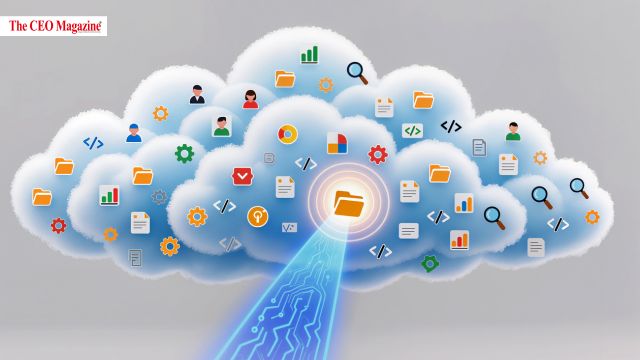
Most educators today face the challenge of meeting diverse learner needs in a classroom setting. By leveraging adaptive learning platforms, you can create tailored educational experiences that accommodate individual strengths and weaknesses. These platforms use data-driven insights to adjust content and pacing, ensuring that each student receives the support they require. As you explore these innovative tools, you’ll discover how to enhance student engagement, boost learning outcomes, and create a dynamic environment where all learners can thrive.
Key Takeaways:
- Adaptive learning platforms provide individualized learning experiences, catering to diverse student needs and learning paces.
- Data analytics within these platforms enable educators to track student progress and tailor instruction effectively.
- Scalability allows schools to implement personalized learning strategies across larger student populations without compromising quality.
Understanding Adaptive Learning Platforms
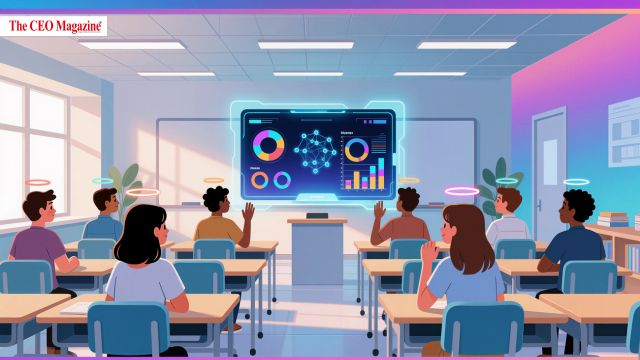
Adaptive learning platforms are designed to tailor educational experiences to individual student needs, enabling personalized learning at scale. These systems utilize data analytics to assess student performance in real-time, adjusting content delivery and pacing to enhance engagement and understanding. By facilitating this dynamic teaching approach, you can effectively address diverse learning curves within a classroom environment.
Definition and Functionality
Adaptive learning refers to educational systems that adjust the content and learning pathways according to the learner’s strengths and weaknesses. These platforms continuously analyze student interactions, providing a fluid and personalized education that adapts to varying skill levels, ensuring every student receives the support they need to succeed.
Key Features of Adaptive Learning
Several key features define the effectiveness of adaptive learning platforms. The ability to collect and analyze real-time data about student performance allows for immediate adjustments in instructional methods. Customizable learning paths, feedback mechanisms, and engagement tools ensure students remain motivated and on track.
- Real-time analytics to monitor student performance
- Customizable learning paths tailored to individual needs
- Interactive feedback mechanisms for ongoing assessment
- Engagement tools such as gamification elements
- Integration with existing educational resources and tools
These features ensure educational content is relevant and captivating, enabling you to create an environment where students can thrive. For instance, platforms can adapt learning materials based on quiz results, helping you identify knowledge gaps and reinforce concepts in a timely manner. Their ability to integrate with other educational resources further amplifies their effectiveness.
- Scalability to accommodate various class sizes
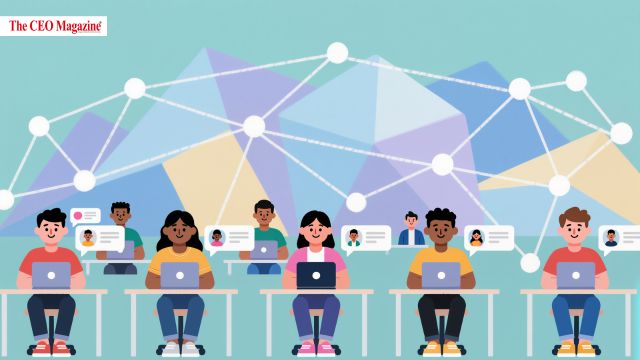
- Collaboration tools for student interaction
- Progress tracking for both students and educators
- Accessibility features to support diverse learners
- Support for various learning styles and preferences
After implementing these features, adaptive learning platforms create a responsive educational framework, enabling you to cater to your students’ varying needs effectively. The personalized experience fosters greater engagement, making it easier for every student to achieve academic success at their own pace.
Benefits of Personalised Learning
Personalised learning significantly enhances educational experiences by addressing the unique strengths, weaknesses, and pace of each student. With adaptive learning platforms, you can tailor content, assessments, and learning paths to match your learners’ needs. This approach not only fosters a deeper engagement with the material but also empowers students to take ownership of their education, leading to more significant motivation and better retention of knowledge.
Enhancing Student Engagement
When you personalise learning experiences, student engagement levels rise dramatically. Adaptive learning platforms provide interactive and relevant content that resonates with your students’ interests and learning habits. As a result, learners become more invested in their education, often displaying increased participation in discussions and activities, which further cultivates a positive learning environment.
Improving Learning Outcomes
Personalised learning has a direct impact on improving learning outcomes. By leveraging adaptive learning platforms, you can identify and address knowledge gaps more effectively, ensuring that each student progresses at a pace that suits them. Studies show that tailored instruction can lead to higher test scores, greater retention rates, and increased overall competency in key subject areas.
For instance, a case study involving a high school that implemented adaptive learning technology revealed that students using personalised pathways achieved a 20% increase in math proficiency scores within a single academic year. This data underscores how personalized learning helps you to target specific areas for improvement and provide the right resources at the right time, resulting in enhanced academic performance. Moreover, personalized feedback ensures that each student knows where they excel and where they need further growth, fostering a culture of continual improvement.
Implementation Strategies
Effective implementation of adaptive learning platforms requires careful planning and a clear strategy to ensure seamless integration into existing educational frameworks. Schools and educators should start by assessing their current curricula and identifying areas where personalization can have the greatest impact. Additionally, securing buy-in from stakeholders, from administrators to parents, is vital to foster a supportive environment for these innovations.
Integrating Adaptive Learning in Curricula
To successfully integrate adaptive learning in your curricula, align the platform’s features with your educational objectives. Begin by mapping existing content to the adaptive platform’s capabilities, ensuring that learning goals remain intact while leveraging the personalized pathways it creates. Customize assessments and activities that resonate with diverse learning styles, thus enhancing student engagement and encouraging mastery of various concepts.
Training Educators on Adaptive Technologies
Your educators must be proficient in the adaptive technologies employed in your institution. This includes comprehensive training sessions that cover not only technical skills but also pedagogical strategies for utilizing these platforms effectively in their teaching. Consider ongoing professional development programs to keep educators updated on best practices and new features.
Training educators on adaptive technologies goes beyond initial workshops. You should implement a mentorship system where tech-savvy teachers support their peers in real-time classroom settings. Encourage collaborative sessions to share insights on student analytics and customize instruction based on adaptive feedback. This not only enhances their comfort level with the technology but also cultivates a culture of continuous improvement and innovation in teaching practices. Regular feedback from both educators and students will further refine the training process, ensuring that everyone benefits from the digital transition. Incorporating case studies from successful implementations can provide practical examples, making the training relevant and motivating for your team.
Challenges and Considerations
Utilizing adaptive learning platforms presents unique challenges, particularly around integration with existing systems, teacher training, and maintaining student engagement. You may encounter resistance to new technologies from both educators and students. Additionally, ensuring these platforms align with curriculum standards and deliver meaningful insights requires careful planning and ongoing assessment.
Addressing Equity in Access
Equitable access to adaptive learning technologies is a significant concern. You must consider disparities in resources among students, especially in underfunded schools or communities lacking high-speed internet. Ensuring every student has access to the same quality of learning tools is vital for maximizing the effectiveness of personalized education.
Data Privacy and Security Issues
Data privacy and security must be prioritized when implementing adaptive learning platforms. As you collect sensitive student information, it becomes important to adhere to regulations like FERPA and COPPA, while also protecting against data breaches that could compromise student safety.
The security of students’ personal information is paramount, as breaches can lead to unauthorized access and exploitation. You should implement robust encryption methods and regularly conduct audits to detect vulnerabilities. Additionally, informing students and parents about how data is used, stored, and protected will deepen trust and cooperation. Institutions must also be transparent about their data policies and continuously adapt to new threats in the digital environment to ensure lasting compliance and safety.
Case Studies
Examining real-world applications of adaptive learning platforms reveals their transformative impact across various educational settings. These case studies illustrate how schools and institutions have successfully leveraged technology to enhance student outcomes.
- A K-12 school in California reported a 30% increase in student engagement and a 25% boost in test scores after implementing an adaptive learning platform over one academic year.
- A Texas school district achieved a 40% reduction in achievement gaps in mathematics among underperforming students through targeted adaptive learning interventions.
- At a university in Florida, 85% of students using adaptive learning resources for introductory statistics saw a grade improvement compared to previous cohorts.
- A New York City community college utilized adaptive assessments, resulting in a 50% rise in pass rates for remedial courses within two semesters.
Successful Implementations in K-12 Education
In K-12 settings, adaptive learning platforms have shown notable success. For example, a district in New Jersey integrated an adaptive tool and documented a 20% increase in literacy rates among struggling readers within one school year.
Higher Education Adaptations
Higher education institutions have also embraced adaptive learning, tailoring coursework to meet diverse student needs. A university in Colorado adopted a platform that led to a 15% improvement in overall course completion rates, particularly benefiting non-traditional students.
Various colleges are increasingly utilizing adaptive learning to cater to their diverse student populations. Programs have tailored quizzes and offered personalized feedback, substantially increasing student retention. The integration of these platforms has revolutionized course design, enabling educators to track progress in real-time. Moreover, universities report enhanced engagement through interactive content, resulting in deeper learning experiences. Such strategic adaptations emphasize the importance of data-driven decisions, leading to remarkable academic performance improvements across disciplines.
Future Trends in Adaptive Learning
As technology evolves, adaptive learning platforms are set to incorporate even more sophisticated algorithms and data analytics, enabling real-time responsiveness to student needs. You can expect further integration of gamification elements, which will enhance engagement and motivation. The rise of micro-credentialing pathways will offer personalized skill development options, ensuring your educational journey aligns with career goals.
The Role of Artificial Intelligence
Artificial intelligence will play a pivotal role in the future of adaptive learning by providing deeper insights into student behaviors and preferences. This capability allows for more accurate predictions of learning outcomes, enabling you to receive tailored content and recommendations based on your unique progress and challenges.
Scaling Personalized Learning Solutions
Scaling personalized learning solutions becomes feasible through cloud-based adaptive learning platforms that can accommodate a larger number of users without sacrificing the quality of experience. By leveraging data from myriad sources, these systems can effectively adjust learning paths for diverse groups, ensuring that every learner receives the attention they need.
Consider that with cloud technology, a single adaptive learning platform can serve thousands of students simultaneously, analyzing vast datasets to modify educational content dynamically. For instance, EdTech companies can implement AI-driven insights on a large scale, allowing instructors to focus on high-level pedagogy while the platform personalizes the learning experience efficiently. Utilizing real-time analytics, you can identify trends and make informed decisions, significantly improving educational outcomes across entire classrooms or districts.
Conclusion
The integration of adaptive learning platforms transforms how you engage with students, enabling you to personalize education at scale effectively. By leveraging these technologies, you can tailor learning experiences to meet diverse needs, ensuring that each learner progresses at their own pace. This approach not only enhances student outcomes but also fosters a more inclusive classroom environment. Embracing adaptive learning empowers you to take a proactive role in shaping educational experiences, ultimately leading to improved academic success for your students.
FAQ
Q: How do adaptive learning platforms improve student engagement in classrooms?
A: Adaptive learning platforms enhance student engagement by providing personalized learning experiences that cater to individual student needs. These platforms analyze student performance in real time, allowing educators to tailor instructional methods and materials, which keeps students motivated and actively involved in their learning process.
Q: What are the key benefits of implementing adaptive learning at scale in educational institutions?
A: Implementing adaptive learning at scale offers several benefits, including the ability to efficiently address diverse learning styles, increased accessibility to personalized resources, and data-driven insights into student progress. This scalability enables institutions to maintain high-quality education while effectively meeting the unique needs of a large student population.
Q: How can teachers effectively integrate adaptive learning platforms into their existing curriculum?
A: Teachers can integrate adaptive learning platforms by first aligning the platform’s capabilities with curriculum goals and objectives. Training educators on the platform’s functionalities ensures they leverage its full potential. Additionally, incorporating adaptive assessments and feedback loops allows for continuous adjustment and enhancement of learning pathways within the classroom setting.