It’s astonishing how smart classroom technology can transform your perception of education in just a single evening. As your children engage with innovative tools and resources, you’ll likely notice a shift in their learning experience and enthusiasm. This blog post explores the ways in which these advancements not only enhance educational opportunities but also reshape parental views on the quality of their child’s education. By understanding these changes, you can gain insights into how technology fosters a more interactive and effective learning environment for your family.
Key Takeaways:
- Enhanced communication tools allow parents to track their child’s progress and engage with teachers more effectively, fostering a stronger school-community connection.
- Interactive technology in the classroom leads to improved student engagement, making parents more appreciative of modern educational methods and their benefits.
- Real-time updates about classroom activities and performance can mitigate concerns parents might have, instantly shifting their perception of the school’s educational value.
The Evolution of Classroom Technology
Historical Overview
Over the decades, classroom technology has progressed significantly, transitioning from chalkboards and overhead projectors to interactive whiteboards and tablets. In the late 20th century, personal computers began to infiltrate schools, allowing students to access digital learning resources. This evolution has steadily paved the way for a more engaged and customized educational experience, helping educators to address diverse learning needs effectively.
Current Innovations
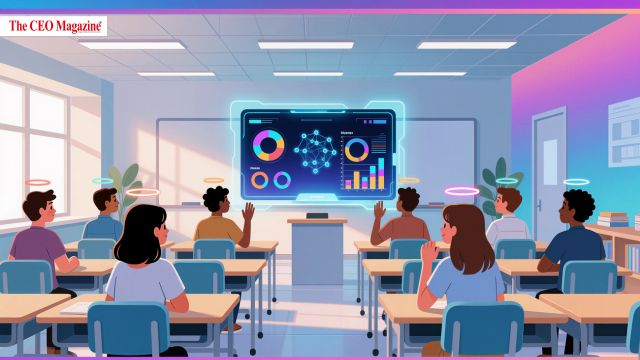
Today’s classrooms leverage advanced technologies like artificial intelligence, augmented reality, and cloud-based platforms to facilitate learning. These tools provide personalized educational experiences that adapt to each student’s learning pace. Smart boards and mobile devices enable interactive lessons, while learning management systems streamline communication between parents and educators, ensuring that you stay informed about your child’s progress.
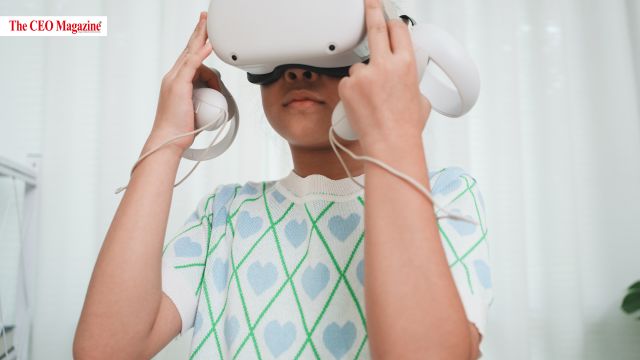
For example, platforms like Google Classroom and Seesaw allow teachers to share resources, assignments, and feedback in real-time, making it easier for you to support your child’s learning at home. AI-driven tools analyze student performance data and suggest tailored learning paths, ensuring that educational content remains relevant and effective. Moreover, virtual and augmented reality experiences immerse students in dynamic learning environments, enhancing creativity and engagement. As these innovations continue to advance, your perception of education can shift dramatically, elevating your expectations and involvement in your child’s learning journey.
Impact on Parent Perception
Your perception of your child’s educational environment shifts dramatically with the integration of smart classroom technology. These advancements not only improve learning outcomes but also change how you view teacher interactions, student engagement, and overall satisfaction with the school experience. As technology enhances educational transparency, you may find yourself more invested and informed than ever before.
Enhanced Communication
With state-of-the-art communication tools, you can easily track your child’s progress and maintain regular contact with teachers. This newfound access to real-time updates on assignments, grades, and classroom activities fosters stronger relationships between you and educators. As a result, you feel more connected to your child’s academic life and more empowered to support their learning journey.
Increased Engagement
Smart classroom technology actively engages students in their learning, which positively impacts how you perceive your child’s educational experience. Tools like interactive whiteboards and educational apps not only keep students focused but also encourage participation in dynamic ways. The measurable increase in student involvement creates a more stimulating environment, leading you to appreciate the innovative approaches that schools are taking to facilitate learning.
The transformation in student engagement often becomes evident through improved attendance and motivation levels. As classrooms leverage gamified learning and collaborative platforms, you witness your child actively participating rather than passively absorbing information. Studies show that engaged students are more likely to excel academically, leading you to feel confident about their educational path. Knowing that your child thrives in a vibrant learning ecosystem, you view technology integration as an imperative part of modern education.
Benefits of Smart Classroom Technology
Smart classroom technology offers numerous advantages that directly enhance student engagement and learning efficiency. With interactive tools and resources, students benefit from an enriched educational experience that caters to their unique needs, making lessons more relevant and exciting. Moreover, parents observe tangible improvements in their children’s motivation and enthusiasm for learning, leading to positive shifts in perceptions regarding modern education.
Personalized Learning Experiences
This technology tailors lessons to individual student needs, allowing for adaptive learning pathways. By using data analytics, educators can identify strengths and weaknesses, offering resources that target specific areas for improvement. This personalized approach ensures that you can support your child’s unique learning style, significantly enhancing their educational journey.
Improved Academic Performance
The integration of smart technology in classrooms has been linked to measurable academic improvements. Research indicates that students engaging with digital tools regularly score higher on assessments compared to their peers in traditional learning environments. This increase in achievement stems from interactive learning experiences that facilitate deeper understanding and retention of concepts.
For instance, a study by the International Society for Technology in Education found that classrooms utilizing smart technology saw a 20% increase in standardized test scores. Access to real-time feedback and engaging educational content enables students to grasp complex subjects more easily. With your involvement, you can harness these advancements to track and support your child’s progress, making academic success a more attainable goal.
Case Studies of Successful Implementation
Examining real-world applications of smart classroom technology reveals insights into its effectiveness and parent perception. Schools that have embraced these advancements see remarkable engagement levels and improved academic outcomes, which in turn reshape parental attitudes toward their educational environments.
- District A: 85% increase in student participation in virtual lessons post-implementation of smart boards.
- School B: 30% improvement in test scores after integrating interactive learning apps.
- Academy C: Parent satisfaction ratings rose from 60% to 90% after introducing a learning management system for seamless communication.
- Institution D: 40% reduction in homework submission time using online platforms.
- Center E: 75% of parents reported feeling more informed and engaged due to real-time updates from teachers.
Schools Leading the Way
Several schools have successfully implemented smart classroom technology, setting exemplary models for others. For instance, District A adopted interactive projectors and reported an 85% increase in classroom engagement, while School B’s use of educational apps saw a 30% boost in student test scores, showcasing how technology can directly impact learning outcomes.
Feedback from Parents
Your insights as a parent are invaluable in gauging the effectiveness of smart classroom technologies. Schools like Academy C have reported a significant rise in satisfaction levels, with parent feedback highlighting ease of communication and enhanced involvement in their child’s education.
In detail, parents expressed how real-time monitoring of student achievements, facilitated through online platforms, fostered a stronger partnership with educators. Not only did this transparency boost confidence in teaching methods, but it also encouraged parents to become more actively involved in homework help and school activities. Higher satisfaction rates, such as the jump from 60% to 90% in Academy C, illustrate just how transformative these technological shifts can be for family engagement and student success.
Addressing Common Concerns
Concerns surrounding smart classroom technology often revolve around its implications for privacy, equity, and screen time. Parents need assurance that their children’s data is secure and that all students have fair access to the tools that can enhance learning. By addressing these issues upfront, educators can reshape perceptions and build confidence among parents regarding the integration of these technologies.
Data Privacy Issues
Your concerns about data privacy in smart classrooms are valid, especially with increasing incidents of data breaches in educational settings. Most reputable platforms adhere to strict data protection standards, such as FERPA (Family Educational Rights and Privacy Act) in the U.S., which regulates access and limits sharing of student information. Knowing that these technologies often incorporate end-to-end encryption can provide peace of mind.
Equity in Technology Access
A significant concern for many parents is whether all students can equally benefit from smart classroom technology. You may worry that socio-economic disparities will limit access, leaving some children behind. Schools are increasingly aware of this and seek to implement programs that provide devices and internet access to underprivileged students, narrowing the digital divide.
For instance, schools may leverage grants and community partnerships to ensure every student has a device by collaborating with local businesses for funding. As an example, some districts have launched initiatives to supply Chromebooks to low-income families, increasing overall student engagement in digital learning activities. These efforts work towards creating a more equitable environment where technology enhances education for everyone, regardless of their background. This proactive approach not only addresses your concerns but also fosters a sense of community and responsibility among parents and educators alike.
Future Trends in Educational Technology
As the landscape of educational technology evolves, innovations are central to enhancing teaching and learning experiences. You can expect a surge in artificial intelligence tools that personalize learning paths and assess student understanding in real time. Virtual reality applications will transport students to immersive environments, making complex subjects more accessible. The integration of blockchain technology for secure record-keeping will also gain traction, ensuring that student data remains private while facilitating easier access to achievements and credentials.
Emerging Tools and Platforms
New tools and platforms are constantly emerging, transforming how you engage with your child’s education. Adaptive learning software, for instance, customizes lessons based on individual performance, helping students grasp challenging concepts more effectively. Online collaboration platforms facilitate group projects beyond classroom walls, encouraging teamwork and communication. Moreover, mobile applications geared toward parental engagement provide real-time updates on classroom activities, enabling you to stay connected and informed about your child’s learning process.
Predictions for Parent-Teacher Relationships
Parent-teacher relationships are set to undergo a significant transformation, shaped by advances in communication technology. You can anticipate a future where regular feedback becomes the norm, reducing the barriers to initiating conversations. Video conferencing tools will enable more parents to actively participate in meetings, regardless of their location. This shift towards open dialogue will not only strengthen partnerships but also foster collaborative learning environments tailored to each child.
The ability to seamlessly communicate through various digital channels will empower you as a parent to discuss academic progress and challenges in real time. With tools that allow teachers to share updates instantly, your involvement can translate into timely interventions if difficulties arise. Moreover, as teachers become more accessible, the traditional barriers to communication will dissolve, leading to stronger collaborative efforts focused on student success. This newfound relationship dynamic will emphasize transparency, ensuring that you are engaged and informed every step of your child’s educational journey.
To wrap up
So, as you witness the implementation of smart classroom technology, you’ll likely notice a shift in how parents view educational environments. Enhanced communication tools and real-time updates foster transparency, allowing you to build trust and engagement with parents overnight. Their newfound confidence in your teaching methods can significantly strengthen the home-school connection, ultimately leading to improved student outcomes. By embracing this technology, you not only modernize the learning experience but also transform parental perceptions, creating a supportive community around education.
FAQ
Q: How does smart classroom technology improve parent engagement in their child’s education?
A: Smart classroom technology enhances parent engagement by providing real-time access to their child’s academic progress through online platforms. Parents can view assignments, grades, and attendance, fostering open communication with teachers and encouraging their involvement in school activities.
Q: In what ways does technology influence parents’ perceptions of school safety?
A: The integration of smart technology, such as surveillance cameras and emergency notification systems, contributes to a sense of safety among parents. Knowing that schools are equipped with advanced security measures helps parents feel more confident about their child’s well-being while at school.
Q: How can smart classroom tools change the way parents view the effectiveness of teaching methods?
A: Smart classroom tools, like interactive learning software and data analytics, provide insights into how students learn and engage with the material. When parents see evidence of innovative teaching strategies and personalized learning experiences, their perception of educational effectiveness significantly improves.