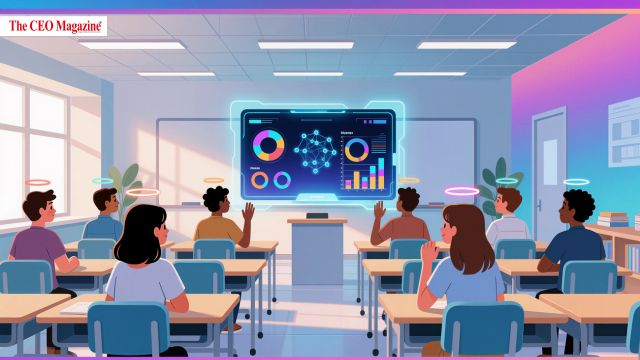
Education is rapidly evolving, and as you navigate the challenges of Tier-2 and Tier-3 schooling, embracing digital learning is vital. The integration of technology in the classroom not only broadens access to resources but also enhances student engagement and improves learning outcomes. By adopting digital tools, you can equip your students with the skills they need for the future, fostering an environment that supports both academic success and personal growth. Ignoring this shift could hinder your institution’s ability to compete and thrive in an increasingly digital world.
Key Takeaways:
- Digital learning expands access to resources and quality education for students in Tier-2 and Tier-3 schools.
- Integrating technology in classrooms enhances student engagement and prepares them for a competitive job market.
- Adoption of digital tools can improve administrative efficiency and communication within the school community.
The Importance of Digital Learning for Tier-2 and Tier-3 Schools
Digital learning transforms the educational landscape for Tier-2 and Tier-3 schools by providing accessible tools and resources that were previously out of reach. With online platforms and resources, you can enhance your teaching methods, improve learning outcomes, and foster skills that are crucial in today’s technology-driven world. This shift not only benefits students but also empowers teachers to innovate in their approaches, ultimately elevating educational standards across these institutions.
Bridging the Education Gap
By integrating digital learning, you can effectively bridge the education gap that often persists between urban and rural institutions. Access to online courses, virtual libraries, and interactive learning tools allows your students to access high-quality content irrespective of geographical constraints. This newfound access enables students to keep pace with their urban counterparts, nurturing a sense of equity in educational opportunities.
Enhancing Student Engagement
Incorporating digital tools in your classrooms significantly boosts student engagement. Engaging multimedia content, interactive quizzes, and collaborative projects not only make learning more enjoyable but also cater to various learning styles. You’ll find that students who may have previously struggled with traditional teaching methods become more active participants when you leverage technology to create dynamic learning environments.
Engagement is amplified through gamified learning experiences, where students can earn badges or rewards for completing tasks. This approach not only motivates them but also encourages a sense of achievement. For instance, platforms like Khan Academy use interactive elements to keep learners involved, increasing retention rates and fostering a deeper understanding of the material. By incorporating such strategies, you can create a vibrant classroom atmosphere that captivates your students and prepares them for future challenges.
Challenges Faced by Tier-2 and Tier-3 Schools
Tier-2 and Tier-3 schools encounter significant challenges that hinder their ability to adopt digital learning effectively. Among these obstacles are limited resources, both in terms of funding and infrastructure, and a prevailing resistance to change among educators and administration. Navigating these issues is vital for unlocking the potential of digital education in these institutions.
Limited Resources
With constrained budgets, Tier-2 and Tier-3 schools often lack access to the latest technology, software, and training programs. This not only affects the quality of digital learning tools available to students but also limits teachers’ ability to integrate these resources into their teaching practices effectively.
Resistance to Change
Resistance to change manifests as hesitation among faculty and administration to embrace digital learning methods. This reluctance stems from various factors, including a lack of familiarity with technology, fear of inadequate support during implementation, and concerns about the effectiveness of digital versus traditional methods.
Addressing resistance to change requires a multi-faceted approach. You can initiate training sessions that familiarize educators with digital tools, emphasizing their potential to enhance student engagement and learning outcomes. Sharing success stories from other institutions can also inspire confidence. Engaging parents and stakeholders in conversations about the benefits of digital learning creates community support, further encouraging educators to embrace new teaching methodologies. Overcoming this resistance is key to making digital transformation a reality in Tier-2 and Tier-3 schools.
Strategies for Effective Digital Learning Implementation
Your approach to integrating digital learning must be multifaceted. Begin by assessing your school’s existing infrastructure to identify both strengths and weaknesses that could impact implementation. Establish a clear framework for digital learning, emphasizing accessibility, engagement, and student-centric methods. Collaborate with stakeholders-teachers, parents, and students-to build a supportive community around digital initiatives that not only enhance learning outcomes but also boost overall motivation.
Professional Development for Educators
Investing in professional development equips educators with the necessary skills to leverage digital tools effectively. Regular training workshops and online resources will ensure teachers stay updated on the latest technologies and pedagogical strategies. By fostering a culture of continuous learning, you empower your staff to confidently incorporate digital learning into their teaching practices.
Leveraging Affordable Technology
You can maximize your digital learning initiatives by utilizing cost-effective technology solutions. Open-source software, cloud-based platforms, and affordable hardware options are more accessible than ever. They allow you to implement diverse learning tools without straining your budget, enhancing both teaching and learning experiences.
Exploring affordable technology options, such as Chromebooks or tablets, can significantly enhance your digital learning strategy. Many organizations offer discounted educational technology packages specifically designed for schools with limited funding. For instance, partnering with local businesses or nonprofits can enable you to acquire necessary devices more easily. Utilizing free educational resources, like online learning platforms and digital content libraries, further expands opportunities for your students while minimizing costs. Creating a strong network for technology grants and funding can lead to sustainable advancements in your school’s digital framework.
Case Studies of Successful Digital Learning Initiatives
Numerous Tier-2 and Tier-3 schools have embraced digital learning with remarkable outcomes. Here are a few examples illustrating the transformative impact of technology in education:
- School A in Tier-2 region reports a 30% increase in student engagement after implementing blended learning programs.
- Tier-3 School B observed a 50% reduction in dropout rates following the introduction of online tutoring services.
- School C achieved a 40% improvement in test scores by utilizing an adaptive learning platform tailored to individual student needs.
- Tier-2 Institution D expanded its curriculum by incorporating massive open online courses (MOOCs), with 70% of students participating.
Success Stories from Tier-2 Schools
Tier-2 schools have seen substantial progress through digital learning initiatives. For instance, one school incorporated virtual classrooms, which led to a 25% increase in overall academic performance, demonstrating the effectiveness of engaging students through technology-enhanced learning.
Innovations in Tier-3 Education
Innovations in Tier-3 education emphasize creative use of technology to overcome resource constraints. These schools have begun leveraging mobile apps and online resources to broaden access to quality learning tools, showcasing their adaptability and commitment to educational advancement.
For instance, a Tier-3 school implemented a program that connects students with local professionals via video conferencing, enriching their career awareness and opportunities. Additionally, the introduction of low-cost tablets for underprivileged students has resulted in a 60% improvement in literacy rates, proving that tailored digital solutions can deliver significant benefits even in resource-limited settings.
Future Trends in Digital Learning
The landscape of digital learning is evolving rapidly, with trends emerging that you must be aware of to stay relevant. As hybrid learning models gain traction, you will likely see an increased emphasis on flexibility, allowing students to engage with materials in diverse ways. Furthermore, personalization through advanced analytics will tailor educational experiences to individual needs, enhancing engagement and retention.
Emerging Technologies
Advancements in emerging technologies like artificial intelligence and virtual reality will revolutionize the way you approach digital learning. AI can help create adaptive learning systems that offer real-time feedback, while VR can immerse students in interactive environments, enhancing understanding and retention. Embracing these technologies can set your institution apart and enrich the educational experience.
The Role of Online Collaborations
Online collaborations are reshaping how students learn and interact with their peers. You can leverage digital tools to facilitate group projects, enabling students from different locations to work together in real time. This fosters a sense of community, enhances problem-solving skills, and prepares students for the collaborative nature of the modern workforce.
When you encourage online collaborations, your students gain invaluable skills that extend beyond academics. Tools such as Google Workspace and Microsoft Teams allow for seamless communication and project management, improving teamwork and time management. Case studies show that students who engage in collaborative projects online often report higher satisfaction rates and improved academic outcomes. Implementing structured online collaborations not only enriches your curriculum but also prepares your students for a globalized workforce.
Summing up
Summing up, you cannot afford to overlook digital learning in Tier-2 and Tier-3 schools. The integration of technology in education not only enhances student engagement but also prepares your learners for a rapidly evolving job market. By embracing digital platforms, you promote accessibility and individualized learning experiences that meet diverse needs. Your commitment to digital education will elevate your school’s reputation, attract more students, and ultimately contribute to better academic outcomes. Taking this step is vital for remaining competitive and relevant in today’s educational landscape.
FAQ
Q: Why is digital learning important for Tier-2 and Tier-3 schools?
A: Digital learning enhances accessibility to educational resources, allowing students in Tier-2 and Tier-3 communities to engage with advanced learning materials and expert instruction that may not be available locally. This approach bridges gaps in traditional education and opens new avenues for academic excellence.
Q: How can digital learning improve student engagement in Tier-2 and Tier-3 schools?
A: Digital learning utilizes interactive tools, multimedia content, and adaptive technologies that cater to various learning styles, making education more engaging. By incorporating gamified elements and real-time feedback, students are more likely to participate actively and enjoy the learning process.
Q: What are the potential barriers for Tier-2 and Tier-3 schools in adopting digital learning?
A: Common barriers include limited access to technology, insufficient internet connectivity, and lack of training for both educators and students. Addressing these challenges is necessary for effective implementation of digital learning initiatives and ensuring all students benefit from the resources available.