Technology is revolutionizing the educational landscape, making it necessary for you to embrace smart classroom solutions in your campus planning. By integrating advanced tools like interactive displays, collaborative software, and data analytics, you can create an engaging learning environment that prepares students for future challenges. Implementing these innovations not only enhances teaching methods but also fosters a dynamic atmosphere that promotes collaboration and creativity. As you explore these technologies, consider how they can shape a more effective and adaptive educational experience for you and your students.
Key Takeaways:
- Integrating advanced technology enhances teaching methods and engages students more effectively.
- Flexible classroom designs support diverse learning styles and facilitate collaborative work.
- Data analytics from smart technologies help inform decisions for continuous improvement in educational strategies.
The Importance of Smart Classroom Technology
Smart classroom technology transforms traditional education, enhancing teaching methods and student engagement. By integrating advanced tools and platforms, you create a dynamic learning environment that adapts to diverse student needs, fosters real-time feedback, and improves access to information. This advancement is vital not only for improving academic performance but also for preparing students for a technology-driven world.
Enhancing Learning Experiences
Incorporating smart technology in classrooms offers personalized learning experiences tailored to individual student needs. Interactive whiteboards, learning management systems, and educational apps allow you to create engaging lessons that cater to various learning styles, thus increasing student motivation and comprehension. This customization helps you address knowledge gaps effectively and keeps students invested in their education.
Facilitating Collaboration and Engagement
Smart classroom technology promotes collaboration among students, fostering a culture of teamwork and engagement. Features like real-time polling, discussion boards, and group project tools enable you to connect students, whether they are in the same classroom or across the globe. This interaction not only enriches learning but also develops vital skills that students will use in their future careers.
By leveraging tools like virtual breakout rooms and collaborative platforms, you enhance student participation. These technologies support group discussions, allowing each student to contribute their insights regardless of physical location. Tools such as Google Workspace or Microsoft Teams facilitate real-time collaboration on projects, ensuring everyone stays engaged and can share their ideas seamlessly. This integrated approach cultivates a more interactive classroom atmosphere, preparing students for future collaborative endeavors in professional settings.
Key Components of Smart Classrooms
Equipping classrooms with smart technology involves several key components that work together to create an engaging and effective learning environment. These elements range from interactive displays to sophisticated learning management systems, each enhancing connectivity and collaboration among students and educators. As technologies evolve, integrating these components ensures that your educational institution remains competitive and relevant in the digital age.
Interactive Displays and Smart Boards
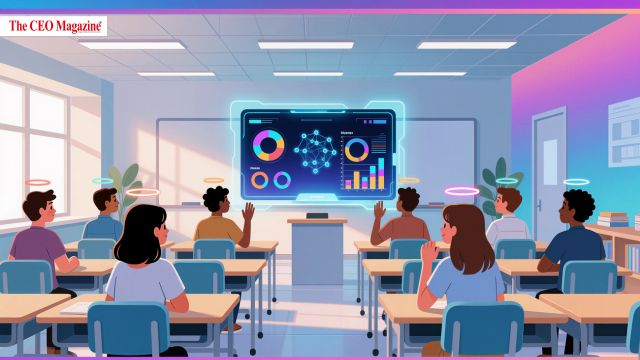
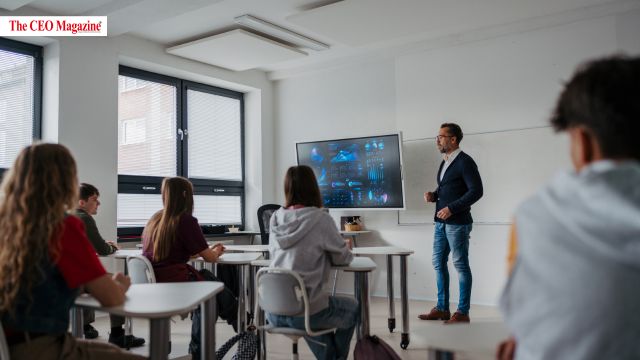
Interactive displays and smart boards serve as the central hub of smart classrooms, enabling dynamic engagement through touch-sensitive technology. These tools facilitate real-time collaboration, allowing you to share content seamlessly, annotate lessons, and involve students in interactive learning experiences. Their versatility supports various teaching styles and helps capture your students’ attention more effectively.
Learning Management Systems and Software
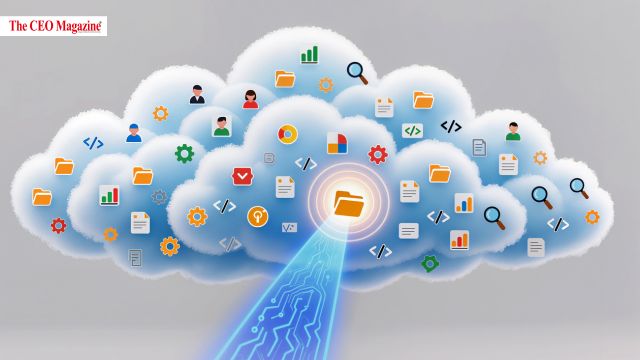
Learning management systems (LMS) and software create a streamlined approach to managing coursework and communication within your educational framework. An LMS centralizes resources, assessments, and grading, allowing you to monitor progress and facilitate collaboration more efficiently. These systems offer personalized learning pathways that adapt to each student’s unique needs, fostering a more individualized educational experience.
Further exploring learning management systems, they often come equipped with analytics tools that help you track student engagement and performance metrics in real-time. Robust platforms like Canvas and Moodle enable you to design courses with multimedia-rich content and interactive assessments. You can also integrate features like discussion forums, video conferencing, and submission portals, leading to enhanced communication between you and your students, thus fostering greater accountability and achievement.
Infrastructure and Connectivity Requirements
To effectively implement smart classroom technology, establishing a robust infrastructure and seamless connectivity is important. This includes ensuring that power supply, cabling, and hardware support the connectivity needs of interactive devices and smart tools, facilitating a unified and efficient learning environment. Your investment in infrastructure directly correlates with the resilience and scalability of technological integration in your campus.
Wireless Networks and Internet Access
Reliable wireless networks and high-speed internet access form the backbone of smart classrooms, enabling seamless connectivity for all devices. You should prioritize Wi-Fi solutions that cover the entire campus, ideally supporting at least 802.11ac or the latest Wi-Fi 6 standards to accommodate multiple devices simultaneously without compromising speed. Investing in adequate bandwidth ensures that multimedia learning tools function effectively, enhancing the overall teaching experience.
Security and Data Privacy Considerations
Your approach to security and data privacy must be robust, given the increasing reliance on tech in education. Implementing firewall protections, secure access points, and regular software updates can mitigate potential risks. It’s important to educate faculty and students on data handling best practices, ensuring compliance with regulations like FERPA. This protection safeguards not only institutional data but also personal student information.
Addressing security and data privacy in smart classrooms involves more than just technology; it requires a comprehensive strategy. Establish end-to-end encryption for communications and regularly audit your security protocols to close any vulnerabilities. Employing multi-factor authentication adds an additional layer of security, while training sessions for staff and students raise awareness of phishing and data breaches. Ultimately, prioritizing these aspects protects your educational ecosystem and builds trust among all stakeholders involved.
Training and Support for Educators
As you implement smart classroom technologies, providing effective training and support for educators is necessary to ensure these tools are utilized to their fullest potential. A well-structured approach empowers teachers to integrate technology seamlessly into their curriculum, enhancing student engagement and learning outcomes.
Professional Development Programs
Your faculty should have access to ongoing professional development programs that focus specifically on the technologies being adopted. Workshops, webinars, and peer-led training sessions can equip educators with practical strategies and confidence to use tools like interactive displays and educational software, ultimately fostering a collaborative learning environment.
Ongoing Technical Support
Continuous technical support is vital for addressing any challenges educators may face with smart classroom technologies. Establishing a dedicated support team can provide immediate assistance, ensuring that teachers can maintain their focus on instruction without prolonged disruptions due to technical issues.
Ongoing technical support should include a clear communication channel for educators to report issues and receive guidance promptly. Regular check-ins and feedback sessions can also help identify common challenges and inform future training initiatives. By fostering a culture of support, you empower teachers to become more proficient with technology, which enhances their teaching practices and overall effectiveness in the classroom.
Measuring the Impact of Smart Classrooms
Your ability to assess the effectiveness of smart classrooms can significantly shape educational outcomes. Gathering data will enable you to understand how these technologies influence learning processes, engagement levels, and academic results, providing evidence-based insights that inform future decisions and investments. Analyzing both qualitative and quantitative metrics will ensure that your institution continually adapts to meet the evolving needs of students and teachers.
Student Performance Metrics
Tracking student performance is imperative for evaluating the success of smart classroom initiatives. By examining standardized test scores, assignment completion rates, and overall GPA trends before and after technology implementation, you can gain insight into how smart tools enhance learning experiences. Tools like adaptive learning software can help personalize education, allowing you to identify strengths and weaknesses in real-time, ultimately leading to improved academic outcomes.
Teacher Feedback and Adaptation
Gathering and analyzing teacher feedback is vital for refining smart classroom implementations. By actively soliciting input through surveys or focus groups, you can gain insights into what works, what doesn’t, and how technology impacts your teaching strategies. This feedback loop allows you to continuously adapt your approach, ensuring that smart technology effectively complements pedagogical goals and enables you to navigate challenges effectively.
Encouraging open communication among educators about their experiences with smart technologies fosters an environment of collaboration and growth. Regular check-ins and structured reflection sessions can help you understand specific challenges teachers face, such as integrating new tools into established curricula. By addressing these concerns, you not only empower your colleagues but also refine the overall educational framework, ensuring that smart classroom technology is utilized to its fullest potential and enhancing the learning journey for both students and teachers. Continuous professional development focused on technology integration is imperative for maintaining engagement and effectiveness within the classroom. This proactive approach leads to informed adaptations, resulting in a more dynamic and impactful educational environment.
Future Trends in Campus Technology
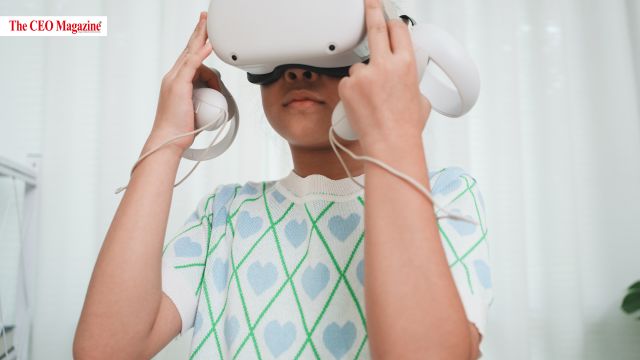
As campuses evolve, emerging technologies are reshaping how education is delivered and experienced. Integrating advanced analytics, blockchain, and immersive experiences like virtual reality will fundamentally alter your approach to learning. Institutions that adopt these technologies will not only enhance operational efficiency but also foster a more personalized and engaging educational environment, ensuring students are well-equipped for a rapidly changing world.
Artificial Intelligence in Education
Artificial Intelligence is transforming educational environments by automating administrative tasks and personalizing learning experiences. You can utilize AI-driven platforms to analyze student performance, tailoring resources and support to individual needs. Institutions implementing these technologies report enhanced engagement and improved student outcomes, making AI an integral component of future-ready campuses.
Evolving Classroom Environments
Evolving classroom environments are designed to foster collaboration and adapt to diverse teaching methods. With movable furniture, interactive technology, and dedicated spaces for group work, your classroom can facilitate dynamic learning experiences. Research indicates that flexible spaces can increase student engagement by up to 30%, highlighting the importance of well-planned environments in modern education.
Flexible classroom environments are not just about aesthetics; they encompass the strategic use of technology and space to enhance learning. For instance, the incorporation of smart boards, projectors, and Wi-Fi capabilities empowers you to create interactive lessons that stimulate participation. Spaces that can be easily transformed into collaborative hubs encourage teamwork and communication, catering to various learning styles. A study by the University of Salford found that well-designed learning environments can significantly boost academic performance, reinforcing the need for adaptive classroom infrastructure. By investing in these evolving environments, your institution positions itself at the forefront of educational innovation.
Summing up
Hence, embracing smart classroom technology is vital for you to cultivate a future-ready campus. By integrating innovative tools and approaches, you can enhance learning experiences and foster engagement among students. This transformation not only prepares your institution for evolving educational demands but also positions you as a leader in academic excellence. Your commitment to utilizing advanced technology will equip students with the skills needed for success in a dynamic world, ultimately creating a more effective and interactive educational environment.
FAQ
Q: What are the key benefits of implementing smart classroom technology in universities?
A: The implementation of smart classroom technology in universities enhances student engagement through interactive learning experiences, supports personalized learning by catering to diverse student needs, and improves collaboration among students and instructors via digital tools. Additionally, it streamlines administrative processes, making resource management more efficient.
Q: How can universities ensure successful integration of smart classroom technology?
A: Successful integration of smart classroom technology requires a comprehensive plan that includes assessing current infrastructure, providing adequate training for faculty and staff, and selecting user-friendly tools that align with educational goals. Continuous feedback from users and ongoing maintenance are also important for long-term effectiveness.
Q: What challenges might institutions face when adopting smart classroom technology?
A: Institutions may encounter challenges such as budget constraints, resistance to change from faculty or staff, and technical issues during implementation. Ensuring reliable internet connectivity and providing consistent technical support are also key to overcoming obstacles associated with smart classroom technology adoption.