SmartClassrooms are redefining how you engage with education in India, blending technology with traditional teaching methods to enhance student learning experiences. As you explore the potential of smart classrooms, you’ll discover the myriad benefits they bring not only to students but also to educational institutions. From improving learning outcomes to optimizing resources and increasing enrollment rates, understanding the business case for smart classrooms can provide you with valuable insights into the future of education in India and guide your decisions in this evolving landscape.
Key Takeaways:
- Smart classrooms enhance student engagement through interactive learning tools and technology integration.
- Investment in infrastructure and digital resources can improve educational outcomes and accessibility in Indian schools.
- Collaboration between government and private sectors is necessary for sustainable implementation of smart classroom initiatives.
The Concept of Smart Classrooms
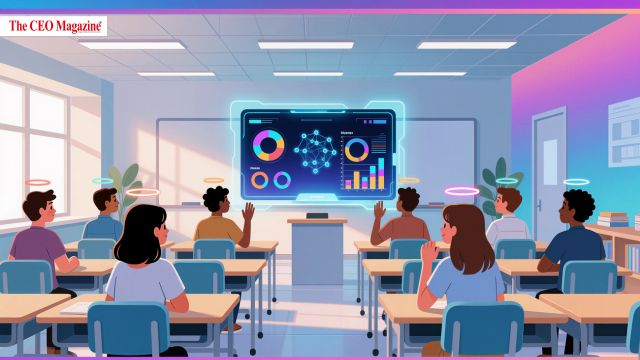
Smart classrooms redefine traditional educational environments through the integration of innovative technology and interactive learning methodologies. These modern spaces foster a dynamic learning atmosphere where digital tools, personalized lessons, and real-time feedback enhance the overall educational experience. By incorporating advanced features, smart classrooms facilitate collaboration and engagement, ultimately aiming to optimize student outcomes.
Definition and Features
A smart classroom is an educational space equipped with technology that promotes interactive learning, access to information, and collaboration among students and teachers. Key features include interactive whiteboards, multimedia projectors, smart devices, and learning management systems. These tools work together to create an immersive educational experience, enabling diverse learning styles and immediate access to resources.
Technology Integration in Education
By leveraging cutting-edge technology, education becomes more adaptive and engaging. Smart classrooms incorporate tools like tablets, augmented reality, and cloud-based platforms, facilitating personalized learning and enabling real-time communication between students and educators. For instance, using apps like Kahoot! encourages active participation and instant feedback, making learning enjoyable and effective.
With the rise of blended learning, technology integration in education is vital for keeping up with global standards. Research indicates that students are 30% more engaged in learning when technology is seamlessly integrated into lessons. Schools implementing such strategies not only enhance academic performance but also prepare students for a workforce increasingly driven by digital proficiency. By incorporating tools such as learning analytics, educators can tailor curricula to meet individual needs, ensuring every student progresses effectively. The impact of technology in smart classrooms is not just about convenience; it’s about transforming how you interact with knowledge, resulting in deeper understanding and retention.
Benefits of Smart Classrooms
Smart classrooms transform the educational landscape, offering diverse benefits that enhance teaching and learning. These technologically integrated environments not only streamline administrative tasks but also provide an interactive experience that caters to various learning styles, ensuring that your students grasp concepts more effectively and retain information longer.
Enhanced Learning Experience
Utilizing advanced tools like interactive whiteboards, educational software, and virtual reality, smart classrooms enrich the learning experience. These technologies facilitate dynamic lessons where you can present complex ideas through visualization, leading to deeper comprehension and retention among your students.
Increased Student Engagement
In a smart classroom, engagement levels soar as students interact with diverse multimedia resources and participate in gamified learning experiences. This active involvement encourages your students to take ownership of their learning, sparking curiosity and fostering a more vibrant classroom atmosphere.
Engagement is significantly heightened by incorporating tools such as clickers for instant feedback or interactive simulations that mimic real-world scenarios. When students actively participate in their learning through hands-on activities and immediate responses, they feel motivated and invested. Research indicates that schools that implement smart classroom technologies report a 30% increase in student participation and a remarkable improvement in academic performance. By making lessons interactive, you create an environment where students are eager to contribute, collaborate, and connect, ultimately leading to a more enriching educational experience.
Challenges in Implementing Smart Classrooms
Implementing smart classrooms in Indian education faces several hurdles, including budget constraints, outdated infrastructure, and varying levels of technological acceptance among educators and students. These challenges can slow down integration and diminish the effectiveness of technological tools meant to enhance learning experiences.
Infrastructure and Resources
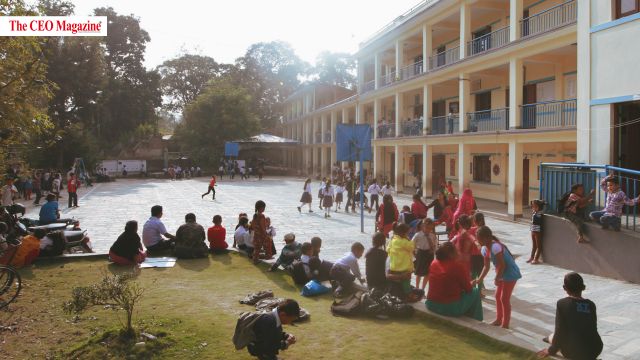
Many Indian schools struggle with inadequate infrastructure, including unreliable internet connectivity and insufficient hardware. The disparity between urban and rural institutions exacerbates this issue, impacting the quality and consistency of technology deployment. Ensuring that every school has access to necessary resources is vital to achieving the objectives of smart classroom initiatives.
Training and Support for Educators
You may find that educators often lack the training required to maximize the potential of smart classroom technologies. Without adequate support and professional development, teachers may face challenges in integrating new tools into their teaching methodologies, leading to underutilization of available resources.
Training programs must be comprehensive, addressing both technical skills and pedagogical strategies that align with technology integration. For instance, sessions can include hands-on workshops and ongoing mentorship to ensure educators feel confident in using smart classroom tools effectively. Schools that invest in continuous professional development are likely to see improved student engagement and learning outcomes, as teachers become more adept at leveraging technology to create interactive and personalized learning experiences. By fostering a culture of support, institutions can alleviate educators’ anxieties surrounding technology adoption.
Case Studies of Smart Classrooms in India
Examining successful smart classroom implementations in India reveals transformative results, highlighting the potential of technology to enhance education. Various institutions have implemented innovative solutions, with remarkable improvements in student engagement and performance.
- St. Xavier’s College, Mumbai: Implemented smart classrooms in 2019, achieving a 30% increase in student attendance and a 25% improvement in overall academic performance.
- Narayana Group of Schools, Hyderabad: Adopted technology-rich environments, resulting in a 40% boost in student interaction and positive feedback from 85% of parents.
- Delhi Public School, Bangalore: Introduced interactive boards and tablets, which led to a 50% enhancement in student engagement rates since 2020.
- Vivekananda Institute of Technology, Jaipur: Integrated virtual labs and digital resources, improving student comprehension scores by 35% within one academic year.
Successful Implementations
Multiple institutions have reported remarkable success with their smart classroom initiatives. Enhanced engagement and academic performance are frequently observed, validating the investment in technology. For instance, Narayana Group’s interactive learning strategies directly correlate with improved student interaction, showcasing the efficient use of smart classrooms.
Lessons Learned
The journey toward integrating smart classrooms is not without its challenges; however, invaluable lessons emerge from these experiences. Adapting technological solutions to local contexts and involving stakeholders in the implementation process are critical for success.
Institutions often learned that merely introducing technology won’t suffice; training educators to effectively utilize these tools is paramount. Gathering feedback from students and parents also plays a pivotal role in refining smart classroom practices. Tailoring technology to fit specific educational goals ensures a smoother transition and greater acceptance among users. By focusing on continuous improvement and addressing logistical challenges, schools can foster a more engaging learning environment that meets the diverse needs of students today.
The Role of Government and Policy
Government initiatives play a significant role in enhancing the adoption of smart classrooms, shaping the educational landscape through supportive policies and frameworks. By addressing issues like infrastructure, digital literacy, and access to technology, these policies aim to create a conducive environment for innovation in education. Your involvement in local governance or educational committees can amplify these efforts, making sure that policies reflect the needs and circumstances of your specific region.
Initiatives Supporting Smart Classrooms
Several government programs have emerged to bolster smart classroom initiatives, such as the Digital India campaign, which promotes the integration of technology in education. Programs focus on providing devices, training teachers, and developing digital content tailored to local curricula. These initiatives empower you to take part in enhancing educational quality, ensuring that students are equipped with the necessary skills for the future.
Funding and Investment Opportunities
Funding for smart classrooms often comes from various sources, including government grants, private investments, and public-private partnerships. Understanding these avenues allows you to explore potential financial support. Engaging in collaborative projects or securing investment can prove necessary for the successful implementation of technological tools and strategies in your educational institutions.
In recent years, the Indian government has increased its commitment to education funding, channeling resources towards smart classroom technology. A notable example is the Smart Cities Mission, which allocates funds specifically for educational infrastructure improvements. You might consider tapping into these government grants, which have allocated over INR 1,000 crores for educational technology. Additionally, collaborating with tech companies often brings investments in exchange for piloting new educational tools, enhancing your school’s technological capabilities while aligning with industry innovations. Your proactive approach in exploring these funding opportunities can significantly influence the advancement of smart classrooms in your institution.
Future of Smart Classrooms in Indian Education
Anticipating the trajectory of smart classrooms in India reveals a landscape rich with possibilities. As technology continues to advance, classrooms are transforming into interactive learning hubs. Integration of artificial intelligence and virtual reality promises personalized learning experiences that cater to diverse student needs, making education more engaging and effective.
Trends and Innovations
Emerging trends such as gamification and adaptive learning tools are reshaping educational practices. You can expect an increase in the use of blended learning environments that combine online and traditional methods, as well as the incorporation of Internet of Things (IoT) devices that facilitate seamless connectivity and resource sharing among students and educators.
Potential Impact on Educational Outcomes
Your educational outcomes can significantly improve as smart classrooms promote active learning and collaboration. Data-driven insights from student performance analytics allow for tailored interventions, ensuring that individual learning gaps are addressed effectively, leading to higher achievement levels and retention rates.
The potential impact of smart classrooms extends beyond mere engagement. Studies suggest that schools utilizing smart technologies see improvements in student attendance and satisfaction, equipping learners with skills that are imperative for the 21st century workforce. For instance, schools implementing gamified learning saw a 25% increase in student participation and a marked enhancement in academic performance, showcasing how these innovations can drive positive educational transformations across India.
Summing up
To wrap up, adopting smart classrooms in Indian education presents an opportunity to enhance your teaching and learning experience significantly. By integrating advanced technologies, you can improve student engagement and streamline administrative processes, ultimately fostering a more interactive and effective educational environment. Embracing this transformation not only prepares your students for the future but also elevates your institution’s standing in a rapidly evolving educational landscape. Investing in smart classrooms is a strategic decision that promises to yield long-term benefits for both educators and learners alike.
FAQ
Q: What are the primary benefits of implementing smart classrooms in Indian education?
A: Smart classrooms enhance teaching and learning experiences through interactive technologies, enabling real-time feedback and personalized learning. They facilitate access to a wealth of online resources and encourage collaborative learning among students, ultimately improving educational outcomes.
Q: How do smart classrooms address the challenges faced by traditional educational setups in India?
A: Smart classrooms tackle limitations of traditional methods by integrating technology that supports diverse learning styles. This approach mitigates issues such as outdated teaching materials, lack of engagement, and limited access to information, making education more relevant and accessible to students.
Q: What role does training play in the successful implementation of smart classrooms?
A: Training is important for educators to effectively utilize smart classroom technologies. Professional development programs equip teachers with the skills necessary to integrate these tools into their teaching, ensuring that both instructors and students can maximize the benefits of a technology-enhanced learning environment.